
Views: 0 Author: Site Editor Publish Time: 2025-11-14 Origin: Site


Environmental monitoring is crucial for ensuring compliance, mitigating risks, and promoting sustainability. However, technical issues often compromise its reliability. From data inaccuracies to power failures, these challenges can impact decision-making. In this post, we'll explore the 10 most common problems in environmental monitoring and provide actionable solutions to fix them.
Data inaccuracies and drift are common challenges in environmental monitoring. These issues can stem from various sources, leading to unreliable results. Let’s explore the root causes, how to prevent drift, and some effective solutions.
Uncalibrated sensors are one of the main causes of inaccurate data. Over time, sensors can lose their calibration, especially if they haven’t been maintained regularly. Aging components, like electrodes or sensors, also tend to provide inaccurate readings as they wear down. Additionally, incorrect parameter settings, such as incorrect measurement ranges, can distort data and lead to errors.
To prevent data drift, it’s essential to implement a regular calibration schedule. Calibration ensures that sensors remain accurate and aligned with industry standards. It’s a good idea to replace sensors periodically, especially those that have been in use for a long time. Regularly checking and recalibrating equipment helps to minimize drift and ensures that data remains consistent.
One way to reduce manual errors and drift is by using self-calibrating systems. These systems automatically check and adjust their calibration, which greatly reduces the risk of human error. Systems like EMS (Environmental Monitoring Systems) offer these features, ensuring data consistency without requiring constant manual intervention.
To ensure accurate data, performing monthly calibration checks is recommended. It’s essential to verify data consistency by comparing it to lab tests or standard solutions. If deviations greater than 20% are found, it’s crucial to recalibrate the sensors immediately. Additionally, documenting calibration dates and actions is an excellent way to track the equipment's health over time.
Sensor Type | Calibration Frequency | Last Calibration Date | Next Calibration Due |
pH Sensor | Every 3 months | January 1, 2025 | April 1, 2025 |
PM2.5 Sensor | Every 6 months | February 15, 2025 | August 15, 2025 |
Temperature Sensor | Every 12 months | March 10, 2025 | March 10, 2026 |
Tip: By following these best practices and maintaining a solid calibration routine, environmental monitoring systems can provide accurate and reliable data, helping mitigate risks and ensuring compliance.
Data transmission failures can severely affect the performance of environmental monitoring systems. These issues prevent real-time data from being sent to decision-makers, hindering timely responses to critical environmental changes. Let's look at the causes of these problems and explore practical solutions to improve data transmission reliability.
The most common causes of data transmission failures are network interruptions and electromagnetic interference. Network interruptions can occur due to issues with the internet or cellular networks. Electromagnetic interference, often from nearby industrial machinery, can disrupt wireless signals. Additionally, faulty hardware, such as damaged cables or malfunctioning wireless modules, can break the connection between monitoring devices and central systems, leading to delays or complete data loss.
One of the best ways to ensure continuous data transmission is to implement dual-network backup systems. Combining Wi-Fi and 4G networks provides a fail-safe solution if one network goes down. Signal boosters can also be installed in areas with weak coverage, ensuring the signal remains strong, even in remote locations. These simple steps can help maintain the flow of data, even during network disruptions.
EMS platforms can be integrated to provide real-time transmission and automatic alerts in case of transmission failures. These systems offer advanced features, such as continuous monitoring and immediate notification when data transmission stops. This integration allows teams to respond quickly to problems and prevent further delays in data reporting.
A proactive approach to maintaining smooth communication involves regularly updating firmware and checking the wireless modules for any issues. Keeping firmware up-to-date helps address bugs and improve system stability. Regularly inspecting the wireless modules ensures that all components are functioning properly, minimizing the risk of transmission failures.
Action | Frequency | Purpose |
Install Dual-Network Backup Systems | Once during setup | Ensures continuous transmission |
Set Up Signal Boosters | As needed | Improves signal strength in weak areas |
Update Firmware | Quarterly | Fixes bugs and improves stability |
Check Wireless Modules | Monthly | Prevents hardware malfunctions |
Contamination and blockages are significant challenges in environmental monitoring. When sensors are clogged or contaminated, they can deliver inaccurate readings, which affects the reliability of the entire monitoring system. Let’s explore the sources of contamination and how to prevent it.
Several factors contribute to sensor contamination. Dust, sediment, and biological growth are common culprits. In air quality monitoring, dust and particulate matter can build up on sensors, especially in industrial environments. For water monitoring systems, sediment and algae can clog sensors and sampling ports. These contaminants block the sensors' ability to measure accurately, leading to false data or even sensor damage over time.
Contamination severely impacts data quality. When sensors are obstructed or covered by debris, they cannot provide accurate readings. For example, a pH sensor affected by algae growth will show incorrect pH levels, compromising the data’s usefulness. Over time, continuous exposure to contaminants can cause physical damage to the sensor components, reducing their lifespan and performance.
Regular cleaning of sampling ports and sensors is essential for preventing contamination. Using non-corrosive solutions to clean the sensors ensures that they remain in good working condition without getting damaged. Additionally, installing self-cleaning sensors can help reduce maintenance needs. These sensors are designed to automatically remove dust and debris, ensuring more accurate readings without requiring frequent manual cleaning.
Modern EMS platforms offer automated cleaning options and contamination alerts. These systems can send notifications if a sensor is becoming contaminated or if cleaning is required. This feature helps monitor the health of sensors in real-time and ensures that maintenance is carried out before contamination affects data quality.
Action | Frequency | Purpose |
Clean Sampling Ports | Weekly | Prevents dust and debris buildup |
Use Non-Corrosive Cleaning Solution | Biweekly | Keeps sensors safe from damage |
Install Self-Cleaning Sensors | During setup | Reduces manual maintenance and blockage |
Monitor Contamination Alerts | Real-time | Provides early warning for potential issues |
Power interruptions are a serious issue in environmental monitoring, as they can cause data loss or gaps in crucial environmental readings. These interruptions often occur due to dead batteries, unstable power grids, or inadequate backup solutions, leading to unreliable data. Let's take a closer look at these risks and explore solutions to ensure continuous power supply for monitoring systems.
Power failure risks can arise from several factors. Dead batteries in portable devices are a common cause, especially if they are not replaced regularly. For systems that rely on grid power, unstable or fluctuating power sources can cause interruptions. In remote locations, the lack of a stable power supply can leave monitoring devices without a reliable energy source, resulting in data loss during critical periods.
To address power supply interruptions, using rechargeable batteries is an effective solution for portable devices. These batteries can be recharged regularly, reducing the risk of power failure. For fixed systems, installing Uninterruptible Power Supplies (UPS) can keep devices running during brief power outages, ensuring uninterrupted data collection. For remote areas, solar-powered modules offer a sustainable and reliable solution, providing constant power even in off-grid locations.
It's crucial to choose EMS systems that come equipped with battery and power supply monitoring tools. These systems can alert you when battery levels are low or when there are issues with the power supply. This ensures proactive maintenance, preventing unexpected failures and minimizing downtime. Power monitoring tools integrated into the EMS system help track power usage and anticipate future needs.
Regular power checks are essential to avoid unexpected interruptions. Set up a maintenance schedule for checking and replacing batteries in portable devices. For grid-connected systems, ensure UPS backups are in place and working properly. In remote deployments, periodically inspect solar modules to ensure they’re functioning optimally. A reliable action plan can prevent data gaps and maintain continuous monitoring.
Action | Frequency | Purpose |
Check Battery Levels | Monthly | Ensure batteries are charged and functional |
Test Uninterruptible Power Supply | Quarterly | Confirm UPS is operational during power outages |
Inspect Solar Modules | Every 6 months | Ensure solar panels provide reliable power |
Replace Dead Batteries | As needed | Prevent data gaps due to power loss |
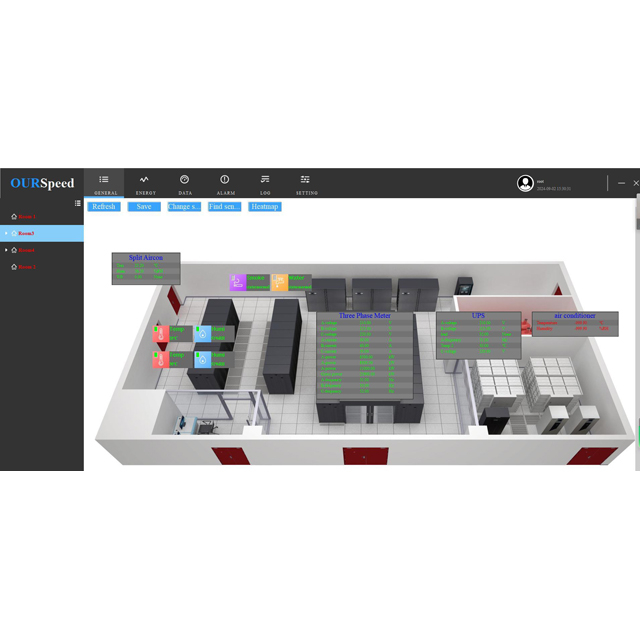
One of the biggest challenges in environmental monitoring is the lack of data integration, often resulting in siloed data across different systems. These silos make it difficult to get a comprehensive view of environmental conditions, leading to fragmented insights that can delay or prevent effective decision-making.
When monitoring systems for air, water, and energy are not integrated, the data remains fragmented. For example, data from air quality sensors might be stored separately from water quality data, making it hard to analyze both together. This leads to inefficiencies as each system operates independently, requiring manual efforts to combine the data, which can result in errors or delays.
The best solution to this problem is to centralize the data. By using an integrated platform, organizations can bring together data from multiple environmental parameters—like air quality, water quality, and energy usage—into one centralized system. This unified approach provides a complete picture of environmental conditions, making it easier to monitor trends and take action when needed.
EMS (Environmental Monitoring Systems) are designed to address this issue by offering integration capabilities. EMS solutions can synchronize data from various sources into one unified dashboard, providing real-time visibility into all environmental parameters. This integration not only improves efficiency but also ensures that all data is aligned, reducing the risk of errors and enabling better decision-making.
To solve the problem of fragmented data, start by choosing systems that are compatible with each other. Make sure that the EMS platform you select can integrate with existing monitoring systems, such as IoT (Internet of Things) devices or Building Management Systems (BMS). This compatibility allows for seamless data flow, making it easier to consolidate information and analyze it in real-time.
A common issue in environmental monitoring is the inadequate response to sudden anomalies, such as pollution spikes or unexpected environmental changes. Passive monitoring systems, which only collect data without acting on it, often result in delayed responses to these critical issues. Here's how to improve anomaly detection and response times.
Passive monitoring systems can fail to alert users immediately when pollution levels spike. For instance, air quality sensors might detect high levels of pollutants but don't trigger a real-time alert until the data is analyzed manually, which can delay the response. In high-risk environments, such as industrial zones or cities with heavy traffic, delayed detection can result in severe consequences for health and safety.
One way to prevent delayed responses is to set up multi-channel notifications for threshold breaches. These alerts can be sent via SMS, email, or app notifications as soon as pollutant levels exceed a predefined limit. By having real-time alerts, environmental managers can quickly take action, such as initiating emergency measures or notifying authorities, before the situation worsens.
An EMS (Environmental Monitoring System) can help automate responses to anomalies. For example, when a sudden spike in air pollutants is detected, the EMS system could automatically trigger ventilation systems to improve air quality. EMS systems with automation capabilities ensure a faster response, reducing the need for manual intervention and improving overall efficiency in handling critical situations.
A proactive approach is to configure alerts for sudden pollutant spikes and integrate rapid-response protocols into your system. This can include triggering actions like opening ventilation systems, adjusting air purifiers, or activating other environmental controls immediately when a threshold breach is detected. These steps help minimize potential damage and ensure quicker recovery from pollution events.
Action | Frequency | Purpose |
Set Up Real-Time Alerts | During setup | Ensure immediate detection of pollutant spikes |
Integrate Automated Actions | During setup | Automatically trigger systems like ventilation or filtration |
Test Alert Systems | Monthly | Ensure notifications are working properly |
Review Response Protocols | Quarterly | Update protocols for faster actions |
In environmental monitoring, ensuring that samples accurately represent the larger environment is crucial. Improper sensor placement can lead to misleading results, which in turn affects decision-making and environmental management. Let’s explore how this problem occurs and how to fix it.
One of the most common causes of poor sampling representativeness is improper sensor placement. For example, if air quality sensors are placed too close to emission sources, they may not capture the true variation in air quality across a broader area. Similarly, sensors positioned in stagnant zones or far from the monitored area can miss important data. Poor placement leads to data that doesn't reflect actual conditions, causing skewed results that can misguide decisions.
To ensure accurate readings, always follow regulatory guidelines for sensor placement. For instance, air quality sensors should be positioned at least 2–3 meters above ground to avoid proximity effects from local sources. Similarly, water monitoring sensors should be placed away from sediment accumulation areas. Increasing the frequency of sampling can also help improve representativeness. By collecting more data points over time, you can capture a more accurate picture of the environment.
An EMS (Environmental Monitoring System) can significantly help improve sampling accuracy. Using multi-point sensor arrays for larger areas helps cover a more comprehensive range of environmental conditions. For instance, using several air quality sensors in different locations ensures a better representation of air quality across a region. EMS systems can consolidate data from these multiple points into a single dashboard, giving a clearer view of environmental changes.
A best practice for improving representativeness is setting sampling intervals based on the variability of the monitored parameters. For dynamic parameters like volatile organic compounds (VOCs), set shorter intervals (e.g., 5–15 minutes) to capture fluctuations. For stable metrics, like soil pH, longer intervals (e.g., 1 hour) are usually sufficient. By tailoring sampling frequency to the nature of the data, you ensure that the samples are more representative of the actual conditions.
Software and firmware glitches can severely disrupt the performance of environmental monitoring systems. Issues such as outdated software, compatibility problems, and software bugs often lead to system crashes, incorrect data, and data retrieval failures. Let’s look at how these issues occur and how to resolve them.
One common problem in environmental monitoring is outdated software. When monitoring platforms aren’t updated regularly, they can experience compatibility issues with new sensors or other systems. This leads to bugs, crashes, and data retrieval errors. Additionally, outdated software can fail to work well with newer devices, causing communication problems between sensors and the central system. These glitches may not be immediately obvious but can lead to long-term data quality issues.
To avoid software and firmware glitches, schedule quarterly updates for your monitoring platforms. These updates ensure that your system is compatible with the latest sensors and technologies. It’s also important to test new firmware versions in a controlled environment before deploying them to live systems. Robust testing methods can help identify bugs and compatibility issues before they affect real-time data collection.
EMS (Environmental Monitoring Systems) offer maintenance tools that ensure the software stays up-to-date and compatible with new sensors. Look for systems that include diagnostic features, such as system health checks and error reports. These tools can help identify issues early and allow you to take corrective action before they affect data quality or system performance. EMS systems with built-in diagnostic capabilities also reduce downtime and manual troubleshooting.
A reliable solution to prevent software glitches is to maintain backup copies of critical data. If a system crash or software bug causes data loss, having a backup ensures that you can recover and continue monitoring without significant disruptions. Also, ensure that any system updates are thoroughly tested to guarantee bug-free operation.
Environmental monitoring systems must adhere to strict regulatory standards to ensure accurate, reliable data and avoid legal or financial penalties. Failing to meet these standards, whether through the use of uncertified equipment or improper data handling, can result in significant risks for businesses and organizations. Let’s explore the risks of non-compliance and how to stay compliant with the necessary standards.
Using uncertified equipment or failing to meet local or international standards poses serious risks. If your monitoring system does not meet required certifications, such as EPA or ISO standards, you may face regulatory penalties. Non-compliance can also result in data that’s deemed unreliable or invalid during audits. Inaccurate or non-compliant data can damage a company's reputation and may even lead to legal actions if it affects public health or the environment.
To mitigate compliance risks, ensure that all monitoring equipment is EPA or ISO certified. Certified equipment guarantees that the devices meet specific regulatory requirements, providing a solid foundation for data accuracy and reliability. Before purchasing any new monitoring systems, verify that they align with local and international standards. This ensures your data will be accepted during audits and complies with regulations, protecting you from penalties.
An EMS (Environmental Monitoring System) can help maintain compliance by offering built-in features that align with regulatory guidelines. Many EMS platforms come pre-configured to meet international standards, simplifying the audit process. These systems often include features that automatically log calibration and maintenance activities, ensuring your records are always up-to-date and easily accessible during inspections.
This article discussed the 10 most common issues in environmental monitoring, such as data inaccuracies, power failures, and software glitches. It emphasized the importance of proactive maintenance, regular updates, and integrating EMS systems to ensure long-term reliability. By adopting these practices, businesses can maintain accurate, compliant, and sustainable monitoring systems. At OURSPPED, their products are designed to offer valuable solutions for environmental monitoring, helping users stay on track with compliance and performance.
A: Common issues include data inaccuracies, sensor contamination, power failures, software glitches, and non-compliance with regulatory standards.
A: Regular calibration and using self-calibrating systems can help fix data inaccuracies and ensure reliable results.
A: Real-time transmission allows for immediate responses to environmental changes, reducing risks and improving decision-making.
A: EMS systems integrate data, automate processes, and ensure compliance, making monitoring more efficient and reliable.


