
Views: 0 Author: Site Editor Publish Time: 2025-08-19 Origin: Site


Water leaks cause significant home damage, often going unnoticed. From burst pipes to faulty appliances, water damage can cost thousands in repairs. Water leak detectors provide early warnings, preventing these issues. But are they really worth the investment?
In this article, we’ll explore the benefits of water leak detectors and how they work. You’ll also learn which system is best for your home.
At OURSPEED, we offer high-quality leak detectors to keep your home safe. Learn more about our products.
Water leak detectors are designed to detect leaks early, helping you mitigate potential damage before it becomes a major problem. But how exactly can these systems save you money?
Water leaks, if left undetected, can lead to extensive damage. A small leak under a sink or a burst pipe behind a wall can lead to flooding, damaging floors, walls, and furniture. According to the EPA, household leaks waste nearly 10,000 gallons of water each year on average, and major leaks can cause thousands of dollars in repairs. Water leak detectors can alert you as soon as a leak is detected, preventing these expenses.
Although many insurers don’t offer specific discounts for installing a leak detection system, being proactive can help lower your premiums. If you can prevent damage from undetected leaks, you’re less likely to make a claim, which keeps your insurance premiums low in the long run. Moreover, installing a leak detection system may help improve your claim history, which is a factor insurers consider when determining rates.
Leaks waste significant amounts of water, which translates into higher water bills. A hidden leak can easily go unnoticed, leading to unexpected increases in your water consumption. Smart water leak detectors can monitor water usage in real-time and alert you to abnormal consumption, helping reduce water waste and lower utility costs.
Benefit | Estimated Savings | Example Scenario |
Preventing Major Water Damage | $2,000 to $10,000+ in repair costs | Burst pipe damage to flooring and furniture |
Reducing Insurance Premiums | Up to 10-15% reduction in premiums | Preventing flooding reduces the number of claims made |
Decreasing Water Wastage | 10,000 gallons per year ($50-$200) | Detecting a hidden leak that increases water bills |
Ignoring water leaks can lead to much more than just higher bills; it can cause severe long-term damage.
When a leak goes undetected, it can damage the structure of your home. Water can seep into walls, weaken floors, and erode foundations, leading to structural instability. Over time, prolonged exposure to moisture can also create ideal conditions for mold growth, which can be harmful to your health. In some cases, water damage can be so extensive that it significantly impacts your home’s resale value, requiring costly repairs before you can sell. The structural repairs and mold remediation may involve expensive and time-consuming work that could have been avoided with early detection.
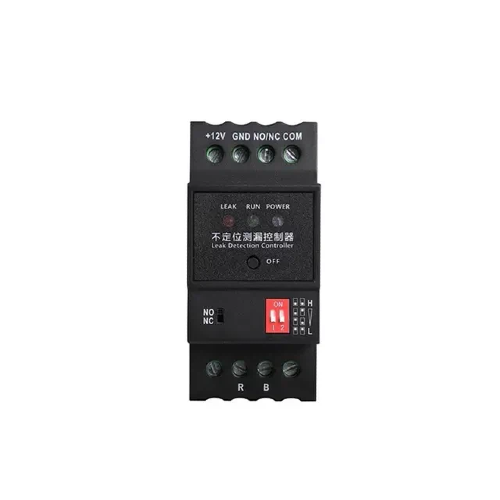
The longer a leak persists, the more damage it can cause. A small leak might seem insignificant at first, but over time it can escalate into a major issue, flooding entire rooms and causing severe damage to carpets, drywall, and even electronics. Water-damaged electronics are often beyond repair, and replacing them can add up to a hefty cost. Fixing these extensive issues can easily run into tens of thousands of dollars. However, with a water leak detection system, this damage could have been prevented, saving you from high repair costs and maintaining the integrity of your home.
When considering whether a water leak detector is worth it, it’s important to understand the different types of systems available and how they work. Each system offers distinct features, and understanding these can help you choose the right one for your home.
There are various types of water leak detection technologies, including mechanical sensors, ultrasonic systems, and moisture sensors.
These systems use either turbines or sound waves to monitor water flow and detect irregularities in the plumbing.
● Mechanical Systems: Mechanical leak detection systems use turbines that spin with water flow. When irregular flow patterns are detected, they signal a potential leak.
● Ultrasonic Systems: Ultrasonic leak detectors use sound waves to detect disturbances in the flow of water within pipes. They are typically more accurate and ideal for monitoring the entire plumbing system.
Both of these technologies are suitable for whole-house monitoring, offering comprehensive protection against water leaks.
Moisture-sensing leak detectors are designed to detect water that escapes from pipes or appliances. These detectors are best for detecting leaks in localized areas like under sinks or near appliances.
They are typically more affordable and easier to install compared to mechanical or ultrasonic systems, making them a popular choice for those seeking targeted, cost-effective protection. However, moisture sensors only monitor specific areas and may not provide the same level of comprehensive coverage as whole-house systems.
Choosing between whole-house leak detection systems and point-of-use detectors comes down to the level of protection you need and your budget.
Whole-house leak detection systems are designed to monitor the entire plumbing system, ensuring that leaks anywhere in the home are detected and the water supply is automatically shut off. These systems offer:
● Comprehensive Protection: They cover all plumbing lines in the home, offering peace of mind.
● Automatic Shut-Off: Some systems can automatically turn off the water supply when a leak is detected, preventing extensive water damage.
While these systems provide complete coverage, they may require professional installation and a higher investment, making them a more expensive choice.
On the other hand, point-of-use leak detectors are typically installed in high-risk areas like bathrooms, kitchens, or near water heaters. These detectors are ideal for:
● Localized Protection: They offer focused protection in areas most vulnerable to leaks, like sinks, dishwashers, and toilets.
● Affordability: Point-of-use detectors are generally more affordable and easier to install than whole-house systems.
While point-of-use detectors are a great way to protect specific areas, they do not offer whole-house protection and may leave other areas vulnerable to unnoticed leaks. These are ideal for those who want cost-effective protection in high-risk areas of the home.
Type | Coverage Area | Technology Used | Pros | Cons |
Whole-House Systems | Entire plumbing system | Mechanical, Ultrasonic, Smart | Comprehensive, Automatic shut-off | Higher installation cost, professional installation required |
Point-of-Use Detectors | Specific locations (e.g., under sinks) | Moisture sensors, Smart | Affordable, Easy installation | Localized coverage, doesn’t protect the entire home |
Wireless Leak Detection | Entire home (wireless) | Smart sensors, Mobile app | Remote monitoring, No wiring needed | May require maintenance and battery replacements |
When considering a water leak detector, several factors should influence your decision.
Some leak detectors are easier to install, with point-of-use models being more DIY-friendly. However, whole-house systems may require professional installation to ensure proper integration with your home’s plumbing.
Advanced features such as real-time alerts, mobile app integration, and automatic shut-off valves can make a leak detection system more effective. These features provide convenience and peace of mind, especially when you’re not at home.
Leak detection systems vary in price. While basic models can be quite affordable, more advanced systems with smart features may cost more upfront. However, the value they provide in preventing costly damage makes them a wise investment in the long run.
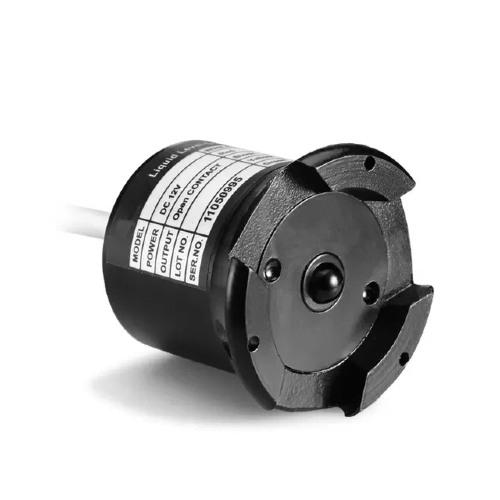
Smart water leak detectors come with advanced features that significantly enhance their functionality and user experience. These systems offer real-time solutions to water leak issues, providing peace of mind to homeowners.
● Real-Time Alerts and Remote Monitoring: Smart detectors send instant notifications to your smartphone if a leak is detected, allowing you to take immediate action—even if you’re away from home. This feature is particularly useful for those who travel frequently or have a second property.
● Automatic Shut-Off: Some advanced models are equipped with automatic shut-off valves. When a leak is detected, these detectors can automatically cut off the water supply, preventing flooding and further damage. This feature is especially important for homeowners who are often absent or not able to respond quickly.
● Analytics and Data Logging: Many smart water leak detectors offer insights into your water usage patterns over time. By reviewing this data, you can identify potential issues before they escalate, such as slow leaks or rising water consumption. This helps prevent major repairs and optimize water usage, lowering your bills.
While smart water leak detectors offer remarkable benefits, there are a few challenges to consider.
● Installation Costs: The upfront cost for purchasing and installing smart leak detectors can be high, particularly for whole-house systems. Professional installation may be required, adding to the initial expense. However, the long-term savings from preventing water damage often justify the cost.
● Maintenance: Like any technology, smart leak detectors require regular maintenance. You’ll need to check and replace batteries (if applicable), ensure the sensors are clean, and test the system to make sure it's functioning properly. Neglecting maintenance could reduce the effectiveness of the system.
● Compatibility: Not all smart leak detectors integrate seamlessly with existing home automation systems. If you already use a smart home network, it’s important to check compatibility. Some models may not sync with your smart thermostat or lighting systems, limiting the benefits of automation.
Feature | Advantage | Disadvantage |
Real-Time Alerts | Instant notifications via mobile apps | Relies on internet connection |
Automatic Shut-Off Valve | Prevents flooding by shutting off water flow | Higher upfront cost |
Remote Monitoring | Can be checked from anywhere, anytime | Needs regular maintenance and battery checks |
Data Logging and Analytics | Insights into water usage and leak patterns | May not work with older plumbing systems |
Investing in a water leak detection system can be considered a high ROI decision. By preventing water damage and reducing repair costs, these systems save you money over time. Additionally, they offer peace of mind by protecting your home from unexpected issues.
Homeowners who have installed smart water leak detectors often report a significant reduction in unexpected water damage. Many cases show how early detection has saved thousands of dollars in repair costs, making the system worthwhile.
So, are water leak detectors worth it? Yes, they certainly are. By detecting leaks early, reducing water waste, and preventing costly water damage, these systems are a smart investment for homeowners. Whether you opt for a whole-house system or a point-of-use detector, the protection they provide far outweighs the upfront cost.
Investing in a water leak detection system is one of the best ways to safeguard your home, lower your water bills, and protect your property from water-related damage. At OURSPEED, our high-quality water leak detectors help keep your home safe and secure.
A: Water leak detectors monitor water flow or moisture levels to detect leaks. They alert you when a leak is detected, preventing potential damage.
A: Water leak detectors help prevent costly damage, reduce water waste, and lower repair costs by detecting leaks early.
A: The cost varies based on the system type. Whole-house systems are more expensive than point-of-use detectors, but both can save money by preventing damage.
A: Smart water leak detectors offer real-time alerts, remote monitoring, and automatic shut-off, making them more convenient and efficient than regular models.


