
Views: 0 Author: Site Editor Publish Time: 2024-11-20 Origin: Site


Environmental monitoring is key to protecting ecosystems and public health. Real-time data on air, water, and soil conditions is crucial for decision-making. Advanced Environmental Monitoring Systems (EMS) allow organizations to track environmental factors with high precision.
In this article, we will discuss various environmental monitoring methods. You'll learn about the tools and techniques used across industries to ensure safety and compliance.Explore how EMS solutions, like those from OURSPEED, enhance monitoring efforts and ensure reliable data.
Air quality monitoring is crucial for understanding the levels of pollutants in the atmosphere. Environmental monitoring methods for air quality typically involve using air sensors, filtration methods, and real-time monitoring tools to track pollutants such as particulate matter (PM), nitrogen dioxide (NO2), sulfur dioxide (SO2), and carbon dioxide (CO2). Technologies like real-time air quality sensors offer continuous data collection, providing insights into trends and immediate air quality alerts.
In certain environments, such as industrial sites or offices, environmental monitoring systems can be integrated to provide a holistic view of air quality in real time, enabling operators to manage conditions effectively.
Tip: By using advanced air quality monitoring tools, companies can improve their environmental footprint and ensure healthier living spaces for employees and nearby communities.
Water is vital for life, making water quality monitoring an essential aspect of environmental protection. Various techniques are employed, such as measuring pH, turbidity, dissolved oxygen, and contaminant levels using automated water testing sensors. These tools help track the presence of harmful substances like heavy metals, bacteria, and industrial chemicals in water bodies.
EMS solutions offer continuous monitoring of water quality in industrial and municipal settings, providing real-time data to ensure compliance with water safety regulations. These systems are especially valuable for large-scale facilities with complex water management needs.
Tip: Regular water monitoring, supported by modern EMS tools, ensures that water systems remain safe for consumption and environmental health.
Soil monitoring is crucial for agriculture, ecosystem management, and land restoration. Techniques such as composite soil sampling and spectrometry help detect pollutants, nutrients, and other soil health indicators. By assessing soil texture, microbial activity, and contaminant levels, these methods provide valuable insights into soil conditions.
For large agricultural sites or industrial locations, environmental monitoring systems with soil sensors and automated samplers ensure efficient, continuous monitoring without the need for frequent manual checks. These systems can automatically log data and provide alerts when critical conditions are met.
Tip: Soil monitoring is essential for maintaining agricultural productivity and safeguarding natural resources, and EMS technology can streamline data collection and enhance accuracy.
Noise pollution, often overlooked, can have a serious impact on both human health and wildlife. Monitoring the sound levels in industrial, urban, and rural environments helps mitigate the harmful effects of noise. Noise level meters and sound level dosimeters are used to measure and track noise pollution across different environments.
Modern environmental monitoring systems integrate sound level monitoring tools that allow for centralized tracking of noise data. In industries with high noise levels, such as airports or manufacturing plants, real-time noise monitoring can help reduce harmful exposure to excessive sound levels, ensuring regulatory compliance.
Monitoring Method | Common Tools | Key Metrics Measured | Typical Applications |
Air Quality Monitoring | Air Quality Sensors, GIS, Samplers | PM, CO2, NO2, Ozone | Urban Air Quality, Industrial Sites |
Water Quality Monitoring | Turbidity Sensors, pH Meters, Probes | pH, Dissolved Oxygen, Heavy Metals | Rivers, Lakes, Wastewater Treatment |
Soil Monitoring | Soil Sensors, Spectrometers, Samplers | pH, Nutrients, Contaminants | Agriculture, Land Restoration |
Noise Pollution Monitoring | Sound Level Meters, Noise Dosimeters | Decibels (dB), Noise Pollution Levels | Urban Areas, Industrial Zones |
Grab sampling involves collecting a single sample at a specific moment in time. This method is often used in water and air quality monitoring when an immediate snapshot is needed. For example, when pollutants in air or water reach certain threshold levels, grab samples can help assess pollution concentration quickly.
In combination with EMS systems, grab sampling can be automated for real-time data collection, offering an efficient way to monitor pollution during short-term spikes.
Tip: Grab sampling is most effective for acute pollution events, and automation can enhance its utility in real-time monitoring systems.

In composite sampling, multiple samples are collected at different locations or times and combined to provide an average result. This method is often used to monitor long-term trends, as it minimizes the bias introduced by sampling at a single point.
For businesses that rely on continuous data for decision-making, environmental monitoring systems that offer composite sampling and data integration provide more accurate long-term insights into environmental conditions, reducing the chances of missing important trends.
Tip: Composite sampling ensures a more balanced and representative understanding of environmental conditions over time.
Continuous sampling provides ongoing, real-time monitoring of environmental parameters. This method is essential for environments where conditions change rapidly, such as industrial sites or urban centers. Real-time data loggers and auto samplers are used to provide continuous environmental data, ensuring that changes in pollutant levels are detected as they occur.
EMS solutions offer continuous sampling capabilities, ensuring industries can monitor air quality, water conditions, and other environmental factors 24/7, offering a more comprehensive view of environmental health.
Sampling Method | Description | Best Use Case | Advantages | Limitations |
Grab Sampling | Single sample taken at a specific moment in time. | Detecting acute pollutants or spikes in conditions. | Quick and easy to implement. | May not reflect long-term trends. |
Composite Sampling | Multiple samples combined from different locations/times. | Long-term monitoring and trend analysis. | Provides an average of conditions. | Time-consuming and requires accurate mixing. |
Continuous Sampling | Ongoing data collection over extended periods. | Real-time monitoring in high-risk areas. | Continuous data for real-time analysis. | Requires constant equipment operation. |
Source emission monitoring focuses on tracking pollutants emitted directly from industrial activities, such as exhaust gases from manufacturing plants or power stations. This type of monitoring is essential for ensuring compliance with environmental regulations.
Incorporating EMS systems for source emission monitoring can provide continuous, real-time data, ensuring that facilities remain compliant with regulatory standards while reducing emissions that can harm the environment.
Tip: Consistent source emission monitoring through EMS can help facilities meet environmental compliance requirements and reduce the risk of penalties.
Wastewater monitoring involves sampling water effluent from industrial and municipal facilities to detect contaminants before they reach larger water bodies. Grab samples and auto samplers are often used for this purpose.
By integrating environmental monitoring systems, facilities can automate the sampling process, ensuring more consistent and accurate reporting of wastewater conditions.
Tip: Automating wastewater monitoring ensures a consistent approach to compliance and protects local water ecosystems.
Monitoring solid waste and contamination is essential for ensuring proper disposal and reducing contamination risks. Composite sampling is often used to obtain a representative sample of the waste, allowing for accurate assessment of contaminants.
EMS solutions help by providing tools for tracking waste production and contamination levels, allowing industries to manage waste more efficiently and comply with environmental standards.
Regulation | Pollutant/Parameter | Monitoring Method | Frequency of Monitoring | Compliance Standard |
Clean Water Act (USA) | Water Contaminants | Grab/Composite Sampling, Real-Time Sensors | Monthly to Quarterly | National Pollutant Discharge Elimination System (NPDES) |
Air Quality Standards (EU) | Air Pollution (PM, CO2, NO2) | Air Quality Sensors, GIS | Hourly to Daily | WHO Air Quality Guidelines |
Noise Control Act (USA) | Noise Pollution | Sound Level Meters, Noise Dosimeters | Annual or Bi-annual | OSHA Noise Standards |
Choosing the right site for environmental monitoring is crucial, as it directly impacts the accuracy of results. Factors such as pollution levels, time of sampling, and geographic location must all be considered.
Advanced EMS solutions assist in the site selection process by providing real-time data and analytics to help optimize monitoring strategies.
Tip: Proper site selection enhances the quality of data collected and ensures that monitoring efforts are targeted where they are most needed.
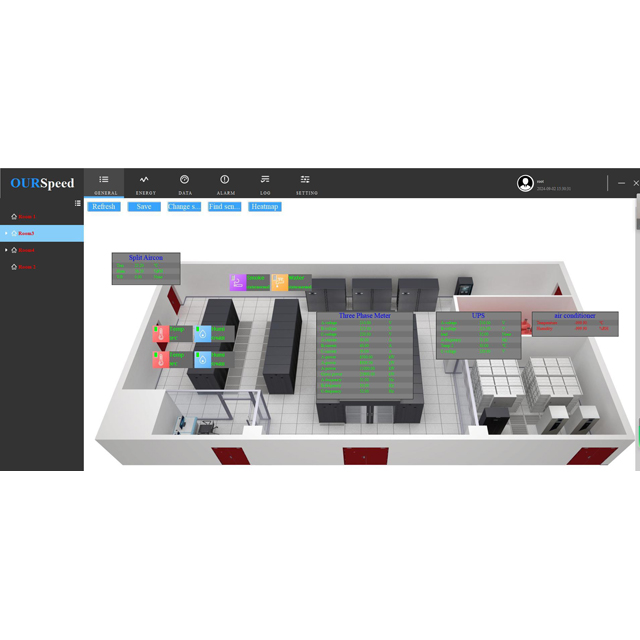
Ambient monitoring involves using instruments such as air quality sensors, water testing probes, and noise level meters to assess environmental conditions. EMS systems integrate these tools, providing centralized data management and analysis.
By employing automated systems, organizations can achieve more accurate data collection and reporting, improving decision-making and operational efficiency.
Tip: Utilizing automated EMS tools ensures continuous monitoring and data consistency across various environmental factors.
Artificial Intelligence (AI) is increasingly used to enhance environmental monitoring methods by analyzing large datasets from sensors and remote sensors. AI technologies improve the speed, accuracy, and predictive capabilities of monitoring systems, especially in areas like air quality and water contamination forecasting.
Tip: AI can help organizations analyze environmental data faster, enabling proactive decision-making and more efficient operations.
Remote sensing and satellite technologies provide an effective way to monitor large-scale environmental changes, especially in remote or inaccessible areas. These tools can track air pollution, deforestation, and changes in land use, providing valuable insights for environmental management and conservation efforts.
Tip: Satellite-based monitoring methods allow for continuous, large-scale data collection, enabling better management of global environmental resources.
Common challenges include incorrect sampling frequency and improper site selection. These can lead to skewed data and missed pollution trends. Consistency in sampling methodology and proper calibration of instruments is crucial for accurate results.
Tip: Regular calibration and adherence to best practices in sampling ensure reliable data and help overcome common monitoring challenges.
Many environmental monitoring systems face limitations due to outdated equipment or lack of technological integration. Upgrading monitoring tools and using advanced systems like automated samplers and data loggers can help overcome these challenges and improve data collection efficiency.
Tip: Invest in updated monitoring tools to avoid technological constraints and improve data accuracy.
Environmental monitoring methods are crucial for ensuring environmental health and regulatory compliance. Modern EMS systems enhance monitoring capabilities, providing real-time data for better decision-making and sustainability.
Investing in EMS helps businesses meet regulations and protect resources. OURSPEED offers advanced monitoring solutions that enable industries to make informed, proactive decisions to protect the environment and public health.
A: Environmental monitoring methods involve tracking pollutants and environmental conditions. These methods use tools like sensors and samplers to measure air, water, and soil quality.
A: Environmental monitoring helps businesses ensure compliance with regulations and improve sustainability. It also provides real-time data to support decision-making and minimize risks.
A: Continuous sampling allows real-time tracking of environmental conditions, ensuring that any sudden changes in pollutants are detected and managed promptly.
A: The cost varies based on the system's size and features. However, investing in advanced monitoring systems ensures long-term savings by avoiding fines and improving efficiency.


