
Views: 0 Author: Site Editor Publish Time: 2025-12-18 Origin: Site


Water leaks can cause significant property damage. They lead to costly repairs and unexpected disruptions. Did you know that detecting a leak early can save you thousands of dollars in repairs? Fortunately, water leak detectors help by identifying leaks early and minimizing damage.
These devices monitor water flow and moisture. They prevent water damage in homes and businesses. In this article, we will explore how water leak detectors work. We will discuss the types available and how to integrate them into your home.
At OURSPEED, we offer high-quality water leak detectors. Learn more about our products and how they can protect your home.
Water leak detectors operate through various sensing mechanisms that detect changes in water flow or moisture levels. These systems help identify leaks early, alerting homeowners to potential problems before they cause significant damage. By catching leaks early, these devices can prevent costly repairs and water-related disasters.
Water leak detectors rely on sensors to detect water anomalies. These sensors come in different types, including mechanical, ultrasonic, and moisture-based systems. While each system uses a unique method to detect leaks, their main goal remains the same: to identify problems before they escalate.
At the core of every leak detection system is its sensor. These sensors monitor key factors like water flow, moisture levels, or pressure. When the sensor detects an issue, it alerts the system, which then either notifies the homeowner or automatically shuts off the water supply to prevent further damage.
Mechanical leak detection systems utilize impellers or turbines that spin when water flows through them. By measuring the flow rate, these systems can detect changes in water usage. If the flow exceeds a preset limit, the system triggers an alert or shuts off the water supply to prevent flooding. These systems are reliable and often used for both residential and commercial applications.
Ultrasonic leak detection systems use sound waves to monitor water flow in pipes. The system sends ultrasonic pulses into the water and measures how these sound waves travel. Any disruption in the sound flow indicates a leak. These systems are highly accurate, and since they do not interfere with the water flow, they are ideal for continuous monitoring.
Moisture-sensing leak detectors detect the presence of moisture on surfaces, typically in high-risk areas like under sinks or near water heaters. When moisture is detected, the system alerts the homeowner and may automatically shut off the water supply to prevent further damage. These detectors are particularly useful for small, localized leaks that may otherwise go unnoticed.
These different types of leak detection systems provide valuable protection by identifying water-related issues early, ensuring that homeowners can avoid costly repairs and property damage.
Whole-house leak detection systems are designed to monitor the entire plumbing system in your home. These systems are typically installed at the point where water enters the house, allowing them to track water usage from the main supply line to individual fixtures. If a leak is detected anywhere in the system, the detector can immediately shut off the water supply, preventing further damage. This system offers comprehensive protection, making it ideal for homeowners who want to safeguard their entire property from water-related issues.
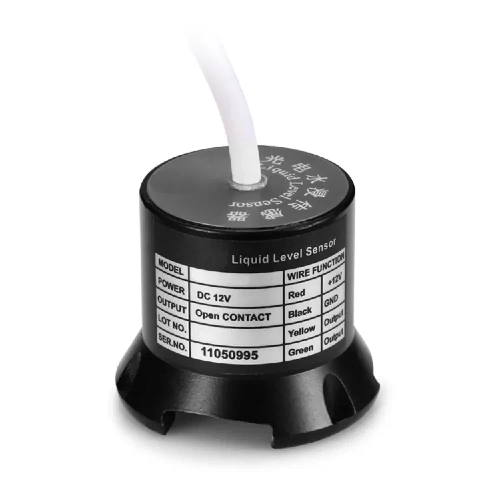
Point-of-use leak detectors are smaller, more affordable systems that protect specific areas of your home, such as under sinks, near water heaters, or behind washing machines. These detectors use moisture sensors to monitor high-risk areas prone to leaks. While they offer effective protection for localized problems, point-of-use systems provide less coverage compared to whole-house solutions. They are ideal for those who need a cost-effective solution for specific areas but don't need full-system monitoring.
Wireless leak detection systems offer the ultimate convenience and flexibility. These systems can be easily installed without the need for additional wiring, making them a great option for renters or homeowners looking for a more flexible solution. Wireless systems typically connect to your home’s Wi-Fi network, allowing for remote monitoring and alerts through a mobile app. This feature provides real-time notifications if a leak is detected, helping homeowners stay informed and take action quickly to prevent damage.
System Type | Monitoring Scope | Ideal For | Features |
Whole-House Systems | Entire home’s plumbing system | Comprehensive protection | Remote alerts, automatic shut-off |
Point-of-Use Detectors | Specific locations (e.g., under sinks) | Targeted leak prevention in high-risk areas | Affordable, easy installation |
Wireless Systems | Flexible placement, connected to Wi-Fi | Homeowners seeking remote monitoring | Real-time alerts, app integration |
The primary function of a water leak detector is early detection. By identifying leaks early, these systems prevent them from escalating into major issues. For example, detecting a small leak under a sink can prevent significant water damage to cabinets, flooring, and walls. Early detection can also help avoid mold growth and structural damage that could result from prolonged exposure to water.
These systems help homeowners catch leaks in their early stages, often before they are even visible. This early intervention can save thousands of dollars in repairs, as it minimizes the risk of extensive water damage to the home.
Smart leak detectors provide real-time monitoring and instant alerts, offering homeowners enhanced peace of mind. Many modern systems connect to mobile apps, allowing users to monitor water usage remotely. If a leak is detected, the system sends an immediate alert to the homeowner's phone, enabling them to take swift action and prevent further damage.
These systems often allow for remote control of the shut-off valves, meaning homeowners can stop the water flow from anywhere. This convenience is particularly useful when the homeowner is away or unable to check the system personally.
Water leak detectors are not only effective in detecting leaks but also in preventing freezing pipes. Many systems come with built-in temperature sensors that monitor water temperature in pipes. When the temperature drops to dangerous levels, the system can trigger an automatic shut-off to stop the water flow, preventing pipes from freezing and bursting.
This feature is especially valuable during colder months when frozen pipes can cause significant damage. It acts as a preventative measure, ensuring that potential issues are addressed before they lead to a costly plumbing emergency.
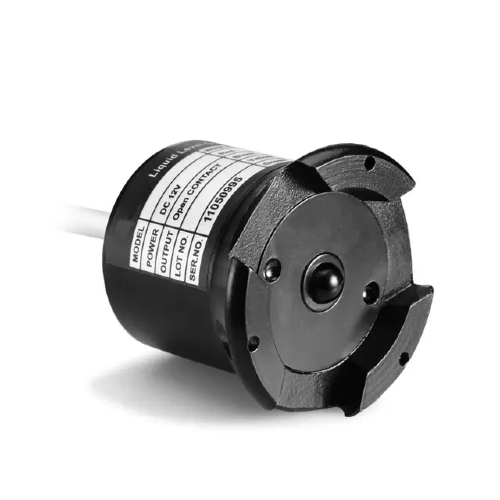
When selecting a water leak detection system, it's essential to evaluate several factors, such as the size of your home, your plumbing system, and your budget. Larger homes or those with complex plumbing systems may benefit from a whole-house detection system, which provides comprehensive coverage by monitoring all water lines. However, these systems tend to be more expensive, both in terms of initial costs and installation. On the other hand, point-of-use systems are smaller, more affordable, and ideal for protecting specific areas, such as bathrooms, kitchens, or laundry rooms. However, these systems may not cover your entire plumbing system, so you’ll need to decide whether full coverage is necessary for your needs.
When choosing a water leak detection system, it's crucial to consider the features that best fit your needs. Look for systems with smart alerts, which notify you of leaks or unusual water usage via a mobile app, enabling you to take immediate action, even if you're not at home. Additionally, integration with home automation systems is another valuable feature, allowing you to sync your leak detection system with other smart home devices. Automatic shut-off valves are particularly useful, as they can stop the water flow as soon as a leak is detected, minimizing damage. These advanced features not only increase the system's efficiency but also ensure peace of mind knowing that your home is protected from potential water damage in real time.
Feature | Whole-House Systems | Point-of-Use Detectors | Wireless Systems |
Smart Alerts | Yes | No | Yes |
Automatic Shut-off Valve | Yes | No | Yes |
App Integration | Yes | Optional | Yes |
Temperature Sensors | Yes | No | Optional |
Some water leak detection systems are designed for easy DIY installation, especially point-of-use models. However, more advanced systems, such as whole-house systems, may require professional installation. Professional plumbers can ensure that the system is correctly installed and integrated into your existing plumbing.
Proper placement of leak detectors is critical to their effectiveness. Whole-house systems should be installed at the point where the water enters the home, while point-of-use detectors should be placed in areas where leaks are most likely to occur, such as under sinks, near water heaters, and around appliances.
To ensure your water leak detection system functions at its best, regular maintenance is crucial. This includes checking the sensors for dirt, dust, or debris that could interfere with their performance. It's also important to test the system periodically to verify its accuracy and make sure it’s correctly detecting water flow or moisture levels. For wireless systems, don't forget to replace the batteries when needed to avoid sudden failures. Regular maintenance ensures that the system remains reliable, accurate, and ready to protect your home from water damage over time.
While water leak detection systems are generally reliable, issues can arise from time to time. Common problems include false alarms, sensor malfunctions, or connectivity issues. If your system is sending incorrect alerts, check for moisture buildup or dirt on the sensors, as this could cause false readings. Ensure that your system is connected properly to your Wi-Fi network and that all settings are configured correctly. If you experience persistent issues, consult the user manual or reach out to customer support for further assistance to resolve the problem.
Water leak detection systems are essential in protecting your home from water damage. They provide early detection, real-time alerts, and automatic shut-off features, preventing costly repairs. Whether you need a comprehensive whole-house system or a point-of-use solution, investing in a water leak detection system is a smart way to safeguard your property.
At OURSPEED, we offer high-quality water leak detectors that provide peace of mind. Our products are designed to effectively protect your home from unexpected leaks and water damage.
A: Water leak detectors monitor water flow or moisture to detect irregularities. They alert homeowners or automatically shut off water to prevent damage.
A: Installing a water leak detector helps prevent significant water damage by detecting leaks early, reducing costly repairs and potential disruptions.
A: The cost varies depending on the system type. Point-of-use detectors are more affordable, while whole-house systems can be more expensive due to their comprehensive coverage.
A: Whole-house systems monitor the entire plumbing system, while point-of-use detectors focus on specific areas like sinks or water heaters, offering localized protection.


