
Views: 0 Author: Site Editor Publish Time: 2024-11-16 Origin: Site


As the world moves towards sustainability, reducing emissions in smart factories has become crucial. Environmental Monitoring Systems (EMS) are key to achieving this goal. These systems help factories monitor and control emissions, ensuring compliance with global standards.
In this article, we'll explore how EMS aids smart factories in reducing their carbon footprint and improving efficiency. You'll learn about the mechanisms, best practices, and real-world examples of EMS in action.
Environmental Monitoring Systems (EMS) are equipped to detect sudden spikes in emissions and energy inefficiencies. By continuously tracking air quality, energy use, and production data, EMS can identify abnormal changes that signal potential issues. For instance, a sudden rise in particulate matter or volatile organic compounds (VOCs) can be immediately flagged by the system. This allows factory managers to act quickly and address the problem before it becomes a major issue.
Timely interventions are crucial for reducing pollution. EMS can trigger automatic alerts or notifications, prompting immediate actions like adjusting machine settings or increasing ventilation. The faster these anomalies are addressed, the less environmental damage occurs. It’s all about minimizing the time between detection and intervention to prevent unnecessary emissions.
Using the data collected, EMS helps optimize factory processes to reduce emissions over time. Factories can analyze trends, identify inefficiencies, and adjust operations to improve energy usage and lower emissions. For example, by analyzing how temperature, pressure, and fuel mix affect emissions during a production process, EMS can help fine-tune these parameters for the most efficient setup.
Several factory processes benefit from this kind of optimization. A common example is HVAC systems, where minor adjustments in air flow or temperature can lead to a significant reduction in energy consumption and CO2 emissions. Another example is in the manufacturing of chemicals or metals, where the EMS can recommend changes in process parameters to reduce waste and emissions, thus making operations cleaner and more cost-efficient.
EMS also play an important role in ensuring that factories comply with global environmental standards, such as ISO 14001. These systems help track emissions against set thresholds and alert factory managers when they are close to exceeding regulatory limits. They also generate the necessary reports for audits, simplifying compliance and reducing the risk of fines.
Failure to comply with environmental regulations can result in severe consequences, including financial penalties, reputational damage, and even shutdowns in extreme cases. EMS mitigate these risks by providing real-time insights and automatically generating compliance reports. With automated monitoring, factories can consistently meet emission standards without manual checks, streamlining their operations and ensuring continuous compliance.
Mechanism | Benefit | Example |
Real-time Anomaly Detection | Detects sudden emissions spikes and inefficiencies | Alerts when emissions exceed preset thresholds |
Data-Driven Optimization | Refines processes to reduce emissions | Adjusts temperature and pressure settings for energy savings |
Compliance Assurance | Ensures adherence to global regulations | Generates reports for ISO 14001 compliance |
Manufacturing processes, such as welding or chemical reactions, often produce unregulated emissions. These emissions can include particulate matter, volatile organic compounds (VOCs), and other pollutants that harm the environment. Identifying and tracking these emissions is critical for factories aiming to reduce their carbon footprint.
Environmental Monitoring Systems (EMS) can track pollutants in real-time across various manufacturing processes. For instance, during welding, EMS can monitor airborne particulates and gases, while in chemical reactions, it can detect excess emissions of VOCs. By continuously collecting data on air quality, temperature, pressure, and other relevant factors, EMS helps pinpoint the exact source and cause of emissions, enabling quick corrective actions.
AI-enabled EMS takes this a step further by predicting inefficiencies before they occur. For example, systems like Huawei’s AI-powered EMS can analyze historical data and detect patterns that lead to excessive emissions. If a particular process has consistently caused higher emissions during certain shifts or under specific conditions, the system can suggest adjustments to reduce pollutants.
One case study involves a factory that produces chemicals. With AI-enabled EMS, the system predicted an inefficiency in the chemical mixing process, where slight variations in pressure led to excess VOC emissions. By adjusting the pressure parameters, the factory reduced emissions by 20%, showing how predictive insights can proactively solve emission issues.
When EMS optimizes manufacturing processes, the results are clear: reduced emissions and more efficient operations. For example, optimizing a welding process by adjusting the power settings or modifying the material composition can lead to significant reductions in particulate emissions. In some factories, process optimization has reduced emissions from certain processes by 15–25%, according to industry case studies.
EMS also helps optimize energy consumption in these processes. By ensuring machinery operates at peak efficiency, EMS reduces unnecessary energy waste, which, in turn, lowers carbon emissions. For instance, a factory using an EMS to fine-tune machine settings, reduce idle times, and improve resource use can see a reduction in emissions tied to energy consumption, leading to long-term environmental benefits.
Process | Emission Type | Optimization Result |
Welding | Particulates, Gases | Reduced emissions by adjusting power settings |
Chemical Reactions | VOCs, Toxic Byproducts | Prevented excess VOCs by optimizing pressure |
Energy Consumption | CO2, Excessive Energy Use | Reduced emissions by fine-tuning machine efficiency |
Tracking energy-related emissions is a complex task. Many factories face fragmented data across different systems and departments, which makes it hard to get a clear picture of energy use and its environmental impact. For example, data might be stored in different formats or platforms, such as energy meters, HVAC systems, and production machinery. Without a unified view, it’s difficult to pinpoint areas where energy waste and excessive emissions occur.
This fragmented approach makes it challenging for factories to identify and address inefficiencies. The lack of real-time insights into energy consumption can lead to unnecessary energy use, resulting in higher emissions and increased costs. In turn, this complicates efforts to reduce a factory’s carbon footprint and meet sustainability goals.
To overcome these challenges, it’s important to integrate environmental and energy data into one centralized system. By syncing energy consumption metrics with emissions data, factories can get a more accurate and comprehensive view of their carbon footprint. For instance, systems like OURSPEED and Acrel allow factories to track energy use alongside emissions, making it easier to identify areas of improvement.
The benefits of this integration are clear. It enables factories to track both energy and emissions in real-time, helping them to quickly spot inefficiencies. For example, if a piece of machinery is using excessive energy, EMS can trigger an alert, allowing operators to take corrective actions like adjusting settings or scheduling maintenance. This integration also helps in identifying patterns and trends, which can be used to plan long-term efficiency upgrades and reduce emissions over time.
When factories use integrated systems to monitor energy consumption and emissions, they can significantly reduce their carbon footprint. By tracking energy use and emissions together, factories can identify which processes or equipment contribute the most to energy-related emissions. Once these areas are identified, targeted efficiency upgrades can be implemented.
For example, replacing outdated machinery with energy-efficient models or improving insulation in manufacturing plants can cut down on energy use. Factories that have implemented these upgrades report reductions in energy-related emissions of up to 30%. These reductions not only help the environment but also lead to cost savings. By optimizing energy use, factories can reduce their energy bills while achieving their sustainability goals.
Energy Use Area | Emission Type | Optimization Strategy | Impact |
HVAC Systems | Excessive CO2 emissions | Adjusting temperature settings and airflow | Reduced emissions by 15-20% |
Production Machinery | High energy consumption | Replacing with energy-efficient models | Reduced emissions by 10-15% |
Lighting and Insulation | Increased energy use | Installing energy-efficient lighting and insulation | Reduced emissions by 25-30% |
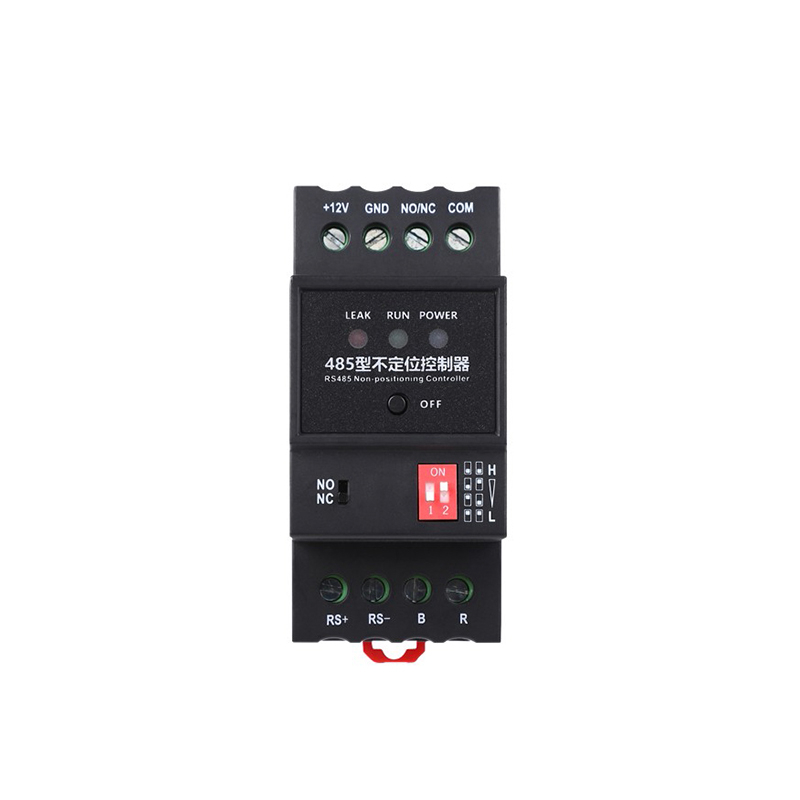
As equipment ages or if it is poorly maintained, it becomes less efficient, often consuming more energy and emitting more pollutants. This is especially true for machines like boilers, HVAC systems, and industrial ovens, which are essential for factory operations. When these machines are not properly maintained, they tend to operate at reduced efficiency, leading to excess emissions. For example, an old boiler might burn more fuel to achieve the same output, releasing more CO2 into the atmosphere.
This inefficiency not only raises energy consumption but also increases the factory's carbon footprint. Over time, even small inefficiencies in equipment can add up, causing a significant impact on both emissions and operating costs.
Proactive equipment monitoring is essential for ensuring machinery operates at peak efficiency and doesn't contribute to excess emissions. Environmental Monitoring Systems (EMS) play a crucial role in tracking the health of factory equipment. By using sensors to measure temperature, vibration, and energy consumption, EMS can identify signs of wear or malfunction before they lead to major issues.
For instance, if a machine’s temperature rises beyond normal levels, EMS can alert operators to perform maintenance. Similarly, if energy consumption spikes, it could indicate inefficiency, prompting a check on the equipment. This proactive approach helps prevent situations where equipment operates at suboptimal levels, reducing unnecessary emissions and energy use.
Optimizing equipment efficiency has a direct impact on reducing overall emissions. By ensuring that machines are operating at their best, factories can significantly cut down on energy use and the pollutants they emit. For example, regular maintenance of a furnace can reduce its energy consumption and emissions by up to 20%.
Similarly, upgrading old machinery with energy-efficient models can lead to a noticeable reduction in emissions. Factories that replace outdated equipment with newer, more efficient versions typically see reductions in both energy use and greenhouse gas emissions. A study found that improving the efficiency of production equipment resulted in an average reduction of 15% in energy-related emissions.
Equipment Type | Emission Type | Optimization Strategy | Impact on Emissions |
Boilers | CO2, Excessive Fuel Consumption | Regular maintenance, burner adjustments | Reduced emissions by 20% |
HVAC Systems | CO2, Energy Waste | Upgrade to energy-efficient models | Reduced emissions by 10-15% |
Industrial Ovens | CO2, Heat Loss | Install insulation, tune temperature settings | Reduced emissions by 12% |
In today’s world, factories must meet both national and international standards for emissions. These standards, such as ISO 14001 or regional policies like the EU’s Green Deal, require strict monitoring of pollutant levels and other environmental impacts. Failure to comply with these regulations can result in heavy fines, shutdowns, or damage to a company’s reputation.
Environmental Monitoring Systems (EMS) are crucial in meeting these standards. By continuously monitoring emissions in real-time, these systems ensure that factories stay within the legal limits for air quality, waste management, and other environmental concerns. Regularly monitoring emissions and ensuring compliance not only avoids penalties but also helps maintain a factory's sustainability goals, boosting its credibility in the industry.
EMS simplifies the complex process of tracking and reporting emissions by automating compliance management. These systems track key parameters like air quality, water discharge, and waste disposal, comparing them to regulatory limits. When emissions exceed acceptable thresholds, EMS can instantly alert factory managers and operators to take corrective action, preventing non-compliance.
Automating compliance also reduces the risk of human error. Traditional manual reporting often involves spreadsheets and long hours of data collection, which is not only time-consuming but can also result in mistakes. With EMS, emissions data is collected, processed, and reported automatically, saving time and ensuring accuracy. The system generates detailed reports and records, making it easier for managers to submit the necessary compliance documentation.
One of the greatest advantages of using EMS is its ability to streamline audit and reporting processes. In industries where environmental regulations are frequently audited, having accurate, real-time data ready for inspection is essential. EMS makes it easy for factory managers to access historical and current emissions data, producing audit-ready reports in a matter of minutes.
For example, when regulatory bodies conduct audits, EMS can provide traceable, timestamped data on pollutant levels and any corrective actions taken. This automated reporting ensures that factories are always prepared for audits, reducing stress and avoiding penalties from missed or inaccurate data.
Moreover, EMS can also help factories align their emissions with sustainability targets, such as carbon neutrality or reducing energy consumption. The system can track progress over time and provide insights into areas for improvement, helping factories stay on course with their long-term goals.
Compliance Need | EMS Benefit | Example | Impact |
Meeting Regulatory Standards | Continuous tracking of emissions | Real-time air quality monitoring | Ensures compliance with ISO 14001 |
Automating Compliance | Automatic reporting and alerts | Automated data submission | Reduces manual effort and errors |
Streamlining Audits | Immediate access to historical data | Quick access to emissions reports | Eases audit preparation and reporting |
Tip: To make compliance even easier, consider setting up automated alerts within your EMS. These alerts can notify you as soon as emissions exceed acceptable levels, giving you the opportunity to act immediately and avoid potential violations.
Environmental Monitoring Systems (EMS) play a key role in reducing emissions in smart factories. By optimizing processes, tracking energy consumption, and ensuring compliance with regulations, EMS help factories meet sustainability goals. For companies like OURSPEED, their EMS products offer scalability, ease of integration, and real-time monitoring, providing significant value in emission reduction and cost savings. Investing in integrated EMS systems is essential for factories aiming to improve efficiency, reduce costs, and stay compliant with environmental standards.
A: Environmental Monitoring involves tracking pollution levels, energy use, and other environmental factors in real-time. It helps smart factories reduce emissions by optimizing processes, ensuring compliance, and identifying inefficiencies.
A: By tracking energy consumption and emissions, Environmental Monitoring helps factories pinpoint areas of energy waste. It allows for adjustments in machinery and processes, leading to significant energy savings and reduced emissions.
A: Investing in Environmental Monitoring helps factories achieve sustainability goals, comply with regulations, and reduce operational costs. It enables proactive management of emissions and energy use, ensuring long-term environmental and financial benefits.


