
Views: 0 Author: Site Editor Publish Time: 2025-11-16 Origin: Site


EMS sensors play a vital role in industries like pharmaceuticals, manufacturing, and data centers. However, these sensors can drift over time or be affected by environmental factors. This can lead to inaccurate data, which can be costly and disruptive. In this post, we’ll explain why calibration is essential for maintaining precise environmental data and how to perform it effectively.
Uncalibrated EMS sensors can trigger false alarms, which could lead to unnecessary downtime and operational disruptions. For instance, a temperature sensor that isn't calibrated might incorrectly signal that the temperature is too high, causing an unnecessary shutdown of critical equipment. This not only wastes time but also resources. Additionally, uncalibrated sensors might miss key anomalies, such as small water leaks or subtle environmental changes, leading to missed opportunities for preventive action. The result? Increased costs and unanticipated system failures.
Calibration ensures that sensors meet the necessary regulatory standards, such as those from ISO, EPA, and industry-specific guidelines. For example, in pharmaceutical manufacturing, accurate temperature and humidity readings are vital to ensuring that products are stored correctly. Failing to calibrate sensors could result in inaccurate readings that violate regulatory standards, putting your business at risk of penalties, fines, or even shutdowns. Regular calibration not only helps avoid compliance issues but also keeps your operations in line with legal and safety requirements.
Sensor Type | Regulatory Standard | Calibration Frequency |
Temperature Sensors | ISO 9001, FDA | Quarterly |
Humidity Sensors | ISO 17025, EPA | Semi-Annually |
Water Leak Detectors | EN 54, UL | Annually |
Smoke Detectors | EN 54, NFPA | Semi-Annually |
Calibration ensures that EMS sensors provide reliable and consistent data over time. By aligning the readings of your sensors with a known reference, you can be sure that the data you collect reflects the true environmental conditions. This is essential for decision-making processes, especially when using this data for trend analysis or predictive maintenance. For example, in data centers, accurate temperature readings are critical to prevent overheating and protect sensitive equipment. Without proper calibration, you risk relying on faulty data, which could lead to poor decision-making and compromised operations.
When sensors are calibrated, their readings are more reliable, and the integrity of your data remains intact. This makes it easier to identify trends, track anomalies, and take action before problems become significant. For example, regularly calibrated smoke detectors ensure accurate early detection of fire risks, helping to safeguard assets and people while maintaining safety compliance.
Tip: By ensuring that your EMS sensors are regularly calibrated, you preserve both operational efficiency and safety. This can prevent a range of issues, from regulatory fines to costly system breakdowns, all while ensuring your data remains trustworthy.
Before starting the calibration process, it's essential to gather all necessary tools and reference standards. Using manufacturer-recommended calibration kits is a must. These kits are designed to work specifically with the sensors you're calibrating, ensuring compatibility and accurate adjustments. Additionally, NIST-traceable reference sensors are important to validate your calibration. These sensors are traceable to the National Institute of Standards and Technology (NIST) and provide a known and reliable reference point for accuracy. Whether you're calibrating temperature, humidity, or gas sensors, having the right tools and references will help ensure precise and reliable results.
Tool | Purpose | Example |
Calibration Kits | Designed for specific sensor types | OURSPEED calibration kit |
NIST-Traceable Sensors | Used to verify sensor accuracy | Acrel calibrated probes |
Digital Multimeter | For voltage-based sensors | Fluke digital multimeter |
Calibration Logbook | To record adjustments and readings | Calibration tracking log |
The calibration environment plays a huge role in ensuring the accuracy of your readings. A stable environment is necessary for sensors to function properly during calibration. First, make sure the area is free from any potential interference like electromagnetic fields, dust, or direct sunlight. For most sensors, especially temperature and humidity ones, it’s crucial to maintain stable conditions—temperature should ideally range from 20-25°C (68-77°F), and humidity should be between 40-60%. This helps avoid external factors that could skew the calibration process.
Here are some additional steps to prepare the environment:
● Ensure the room is clean and free of contaminants.
● Make sure the temperature is stable, especially for sensitive sensors like temperature or humidity.
● Isolate sensors from any strong light sources, especially ultraviolet light, which can impact readings.
● Allow sensors to warm up for 30–60 minutes to reach thermal equilibrium before starting calibration.
Recording every step of the calibration process is crucial. Calibration logs not only help track adjustments made to the sensors but also ensure compliance during audits. Most regulatory bodies require thorough documentation, which includes calibration dates, technician details, and the adjustments made. Having a well-maintained logbook can save you time if your system is ever inspected, and it ensures that all necessary steps were taken for proper calibration.
Key elements to include in your calibration log:
● Calibration Date: Record the date the calibration was performed.
● Reference Sensor Used: Log which reference sensor was used for comparison.
● Before and After Readings: Note the sensor’s readings before and after calibration.
● Adjustments Made: Document any adjustments made to bring the sensor into alignment.
● Technician's Signature: Ensure the person calibrating the sensor signs off on the procedure.
By thoroughly preparing your tools, environment, and documentation, you ensure that your EMS sensor calibration will be effective and compliant.
Calibrating temperature and humidity sensors involves a few essential steps to ensure their readings are accurate. First, place the sensor alongside a reference sensor that is NIST-traceable. Let both devices stabilize in the calibration environment for 30 minutes. During this time, ensure the temperature remains stable (20-25°C) and humidity is between 40-60%. Once stabilized, take three consecutive readings at 5-minute intervals. If the readings differ by more than ±0.5°C or ±3% RH, adjustments are necessary. You can adjust the sensor through its software interface or by using a physical potentiometer, depending on the model. After making adjustments, re-test the sensor to confirm that the deviation is within ±0.2°C and ±2% RH.
Water leak sensors need to be calibrated using a suitable calibration solution, typically a mixture of 50% distilled water and 50% isopropyl alcohol. First, clean the sensor’s surface with a lint-free cloth to remove any dust or residue. Then, apply a small amount of the calibration solution to the sensor's probe or cable to simulate a leak. The sensor should trigger an alarm within 1-3 seconds. If the sensor response is delayed or too sensitive, adjust its sensitivity using the EMS platform settings. Once calibrated, test the sensor by drying the surface and ensuring the alarm clears when the moisture evaporates.
For smoke detectors, use a calibrated smoke test aerosol to ensure they react properly to smoke. Activate the detector's test mode, either through a network interface (like MODBUS) or a physical button. Spray the aerosol at the recommended distance (typically 15-20 cm from the sensor) and check if the detector signals an alarm within 10 seconds. If the detector doesn’t respond correctly, adjust its sensitivity settings. After testing, reset the detector and confirm it returns to its normal operation mode. If false alarms persist, clean the sensor's sensing chamber and retest.
Calibrating DC voltage transmitters requires a precise setup. First, connect the transmitter to a calibrated DC power supply and a digital multimeter. Input three standard voltage values (e.g., 0V, 5V, and 10V) and record the transmitter’s output at each point. Check the readings against the expected values and calculate any linearity deviation. If the deviation is greater than ±0.1%, adjust the zero and span pots on the transmitter. After adjusting, recheck the voltage points to ensure the sensor's output is consistent across the range.
These step-by-step calibration processes will help ensure your EMS sensors remain accurate and reliable, crucial for maintaining data integrity and operational efficiency.
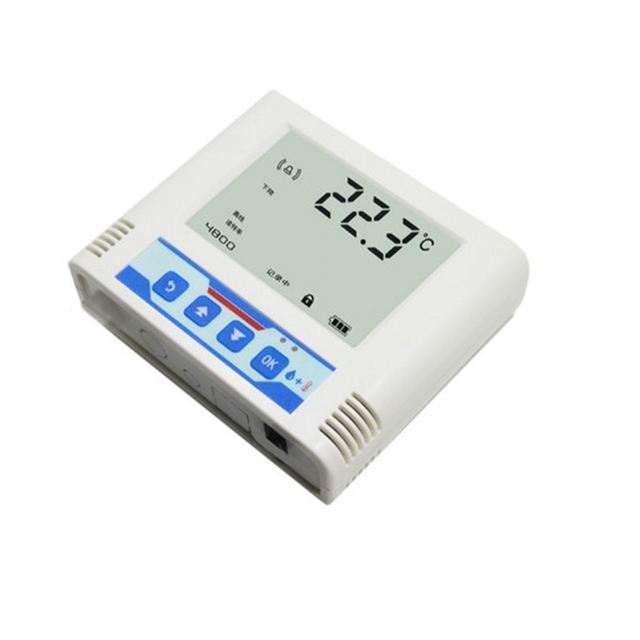
Once calibration is complete, documenting the results is crucial for both future reference and regulatory compliance. A calibration log should include all relevant details: calibration date, sensor readings before and after adjustment, any changes made, and the technician's information. This record ensures transparency and provides a reference in case of audits or equipment failure. Additionally, maintaining thorough logs helps track sensor performance over time, which can be helpful in detecting any trends or potential issues early.
Key elements to include in your calibration log:
● Calibration Date: Always note the exact date and time.
● Before and After Readings: Record the sensor readings before and after calibration to compare.
● Adjustments Made: Document any changes made to the sensor settings.
● Technician’s Signature: Ensure the person who performed the calibration signs off on the log.
Sensors don’t stay perfectly calibrated forever. The frequency of recalibration depends on factors like environmental conditions and how often the sensor is used. In high-stress environments, such as industrial facilities or data centers, recalibration may be necessary more frequently—possibly every few months. For less demanding environments, recalibration may only be needed once or twice a year. Many manufacturers provide recommended intervals based on sensor type and usage, so it’s important to follow those guidelines to ensure optimal performance.
After calibration, it’s essential to test the sensors in a real-world environment to ensure they function correctly. Field testing involves temporarily deploying the calibrated sensor in its usual operational setting. For example, after calibrating a temperature sensor, place it in a controlled room, like a server room, and monitor the readings over time. This helps confirm the sensor's accuracy under actual conditions. If discrepancies are found, it may indicate that further adjustments or recalibration are needed.
Field tests can also help identify issues like sensor drift that may not have been apparent during the controlled calibration process. It’s a simple way to ensure the sensor provides reliable data in its working environment.
One of the most common mistakes during calibration is using uncertified or non-traceable reference standards. These reference tools aren’t validated by recognized authorities, such as NIST, which means their accuracy is uncertain. Without a certified reference, your calibration results could be off, leading to inaccurate sensor readings. This not only affects the reliability of your data but also can lead to compliance violations, especially in industries with strict regulatory standards like pharmaceuticals or manufacturing. Always use reference standards that are traceable to recognized bodies to ensure the calibration is correct.
Issue | Consequence | Solution |
Uncertified reference standards | Inaccurate calibration, compliance issues | Use NIST-traceable reference tools |
Another mistake is rushing the sensor’s stabilization time. After turning on the sensor, it’s crucial to allow it time to warm up and stabilize before starting the calibration. If this step is skipped, the sensor might not operate at its true baseline, leading to inaccurate readings. The recommended stabilization time is typically 30–60 minutes, depending on the sensor type. If sensors are calibrated before reaching thermal equilibrium, you risk making adjustments that won’t reflect real-world conditions, which can cause issues down the line.
Before starting the calibration process, it’s important to clean the sensors properly. Dust, residue, or any debris on the sensor’s surface can interfere with its ability to accurately measure and report data. For example, if a temperature or humidity sensor has dirt on it, the readings may be skewed, and you might make unnecessary adjustments. Always clean the sensors gently using non-corrosive cleaning solutions and lint-free cloths. This simple step ensures that the calibration process is based on accurate conditions and prevents inaccurate results.
Sensor Type | Cleaning Method | Common Issue |
Temperature Sensors | Use lint-free cloth, mild cleaner | Dirt causes inaccurate readings |
Humidity Sensors | Gentle wipe with damp cloth | Dust interferes with calibration |
Calibrating sensors in an unstable environment is another common mistake. Temperature and humidity fluctuations during calibration can cause inaccurate results. A stable environment is key for ensuring sensors are calibrated correctly. Ideally, the room should have a constant temperature (20-25°C) and humidity (40-60%) to avoid any interference with the calibration process. If the environment isn’t controlled, the calibration may not be reliable, and your sensor could give inconsistent readings in real-world conditions.
Regular EMS sensor calibration is essential for ensuring accurate environmental data. From gathering tools and preparing the environment to documenting results and validating performance, following proper calibration steps is crucial. Industries should prioritize calibration to prevent errors, ensure compliance, and enhance operational efficiency. Products like those from OURSPEED offer reliable solutions to help maintain sensor accuracy, providing value through easy calibration tools and support.
A: EMS sensors are used to monitor environmental factors like temperature, humidity, and air quality, ensuring accurate data for decision-making and regulatory compliance.
A: Calibrating EMS sensors ensures accurate readings, prevents false alarms, and helps maintain data integrity for compliance with industry standards.
A: EMS sensors should be recalibrated based on usage and environmental conditions, typically every 3-12 months, to ensure optimal performance.
A: Without regular calibration, EMS sensors may provide inaccurate data, leading to operational inefficiencies, compliance violations, and costly errors.


