
Views: 0 Author: Site Editor Publish Time: 2025-12-16 Origin: Site


Water leaks are one of the most common and costly problems that homeowners and business owners face. Whether from a burst pipe, faulty appliance, or gradual plumbing issues, water damage can quickly escalate, leading to expensive repairs and structural issues. To avoid such problems, it’s essential to take proactive measures, and this is where water leak detectors come in.
Water leak detectors are devices that monitor moisture levels and provide early warning signs when leaks occur, helping you avoid significant damage. This article will guide you through the process of installing and maintaining your water leak detector, ensuring its optimal performance in protecting your home or business from water damage.
A water leak detector is a device designed to detect the presence of moisture or water in areas where it shouldn’t be. These detectors typically consist of a sensor that monitors humidity levels and triggers an alert when water is detected. Water leak detectors can be used in various locations, such as kitchens, bathrooms, laundry rooms, and basements, to monitor areas where leaks are likely to occur.
There are several types of water leak detectors, each designed for different applications. The most common types include:
Point Detectors: These detectors are designed to be placed at specific locations where water is most likely to leak. For example, they can be placed under a sink or near an appliance. They alert you with an alarm when water is detected at that specific point.
Cable Sensors: These are long sensors that can be installed along the floor or near water pipes to detect moisture over a larger area. They are ideal for areas like basements or commercial spaces where leaks might occur along a long stretch of floor.
Smart Water Leak Detectors: These modern detectors are integrated with smart home systems and can send notifications directly to your smartphone or other devices. They are ideal for those who want to monitor their property remotely and receive real-time updates.
Type of Detector | Ideal Use | Alert Mechanism |
Point Detectors | Under sinks, near appliances, in bathrooms and kitchens. | Loud audible alarm when water is detected. |
Cable Sensors | Basements, warehouses, or large spaces prone to leaks. | Continuous sensing along the entire cable. |
Smart Detectors | Residential, smart home environments. | Notifications via smartphone or home system. |
Before you begin installing your water leak detector, it’s important to choose the right location. Water leak detectors should be placed in areas that are most prone to leaks. These areas include:
Under sinks: Plumbing pipes are common sources of leaks in the kitchen and bathroom.
Near appliances: Dishwashers, washing machines, refrigerators, and water heaters are common culprits for leaks.
Basements: Leaks in basements are often caused by ground moisture or burst pipes.
Laundry rooms: Washing machines are notorious for leaking, and detecting the water early can prevent major damage.
Location | Reason for Installation |
Under sinks | Plumbing leaks can go unnoticed without a detector. |
Near appliances | Dishwashers and washing machines often leak. |
Basements | Basements are prone to leaks due to ground moisture. |
Laundry rooms | Washing machines are a high-risk source of leaks. |
The installation process will vary depending on whether you are using a battery-powered, wired, or smart water leak detector.
Battery-Powered Detectors: These are the easiest to install. Simply place the detector in the chosen location, ensuring that it is near potential water sources. Most models come with an adhesive or mounting bracket, allowing you to stick it to the wall or floor. Once placed, power on the device and check if the batteries are working properly.
Wired Detectors: These detectors are connected to your home’s electrical system. If you are using a wired model, it may require professional installation to ensure that the wiring is properly integrated into the electrical system. Once installed, check the connections to ensure the device is receiving power and functioning as expected.
Smart Water Leak Detectors: For smart detectors, the process includes syncing the device with your home Wi-Fi network. After mounting the detector, connect it to your smartphone via the dedicated app. Follow the setup instructions to ensure the device sends alerts to your phone when moisture is detected.
Once your water leak detector is installed, it’s important to test it to ensure it works as expected. Most detectors have a built-in test button. Press the button to simulate moisture detection, and ensure that the alarm sounds or that you receive a notification (in the case of smart detectors).
Type of Detector | Testing Method |
Point Detectors | Press the test button to simulate water detection. |
Cable Sensors | Test by placing a small amount of water along the cable. |
Smart Detectors | Test through the mobile app to ensure you receive notifications. |
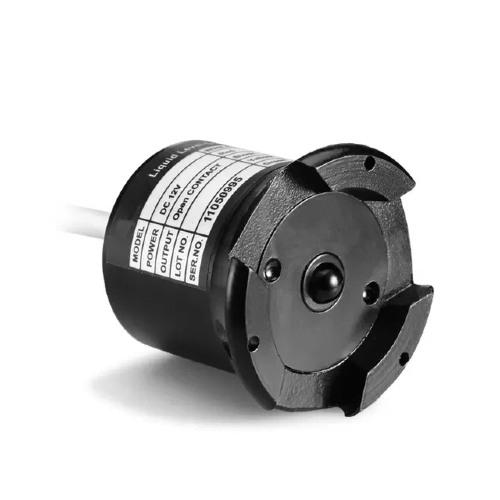
Cleaning your water leak detector is essential to ensure its accuracy. Dust and debris can build up on the sensor and interfere with its function. Use a soft cloth or vacuum with a brush attachment to clean the sensor periodically.
For battery-powered detectors, it’s important to replace the batteries at least once a year or when the low battery indicator lights up. For wired detectors, make sure the device is properly connected to the power source and that there are no interruptions in the power supply.
Battery Replacement: Replace with high-quality batteries that are recommended by the manufacturer for longer-lasting performance.
Wired Systems: Periodically check that the wired connection is intact and that there are no issues with the electrical system.
Smart detectors should be updated regularly to ensure they are running the latest firmware. Most manufacturers provide software updates through their app or website. Keeping your device updated ensures that you benefit from improved functionality and security features.
Even if your water leak detector is working well, it’s important to test it regularly to ensure it still functions as expected. Perform a test every 1-3 months, or whenever you perform maintenance, to verify that the alarm works and that you receive notifications in case of a leak.
Task | Frequency |
Clean the detector | Every 3-6 months, depending on dust levels. |
Replace the batteries | At least once a year or when low battery warning occurs. |
Test the device | Every 1-3 months or after maintenance. |
Update smart detectors | As soon as a firmware update is available. |
While water leak detectors are designed to be reliable, there are a few common issues you may encounter.
False Alarms: This could be due to dust or debris in the sensor. Clean the detector thoroughly and test it again.
No Alarm: If the detector does not activate, check the battery or wired connections to ensure everything is functioning. Also, make sure the sensor is in an area with adequate water exposure.
Issue | Solution |
False Alarms | Clean the detector and ensure no external moisture is present. |
No Alarm | Check the power source, sensor placement, and perform a test. |
Proper installation and maintenance of your water leak detector are essential to protecting your property from costly water damage. Early detection can prevent expensive repairs, mold growth, and significant structural issues. By performing regular cleaning, battery checks, and routine testing, you can ensure that your detector continues to function effectively for years. Following these simple steps will help you safeguard your home or business, providing you with peace of mind and long-term protection.
At Guangzhou Speed Technology, we specialize in providing high-quality water leak detectors designed to meet the needs of both residential and commercial properties. Our products are built to detect moisture early, helping you avoid costly damage. Whether you're looking for a basic point detector or a smart leak detection system, we offer a range of solutions tailored to fit your specific needs.
Investing in a water leak detector is an affordable way to protect your property. Contact us today to learn more about our products and how we can help you prevent water damage and secure your home or business from future risks. Let us provide you with the best solutions for peace of mind and reliable protection.
How do I know where to place my water leak detector?
Water leak detectors should be placed in areas with high water risk, such as under sinks, near appliances, in basements, and around water pipes. These areas are most likely to experience leaks.
How often should I replace the battery in my water leak detector?
It’s recommended to replace the battery at least once a year or when the detector signals low battery power.
Can I install a water leak detector myself?
Yes, many water leak detectors, especially wireless models, are designed for easy DIY installation. However, wired models may require professional help.
How do I test my water leak detector?
Press the test button on the detector or simulate a leak by applying a small amount of water to the sensor. If the detector works properly, it will trigger an alarm or send a notification.
What should I do if my water leak detector is beeping for no reason?
Check for dust or debris in the sensor and clean it regularly. If the problem persists, replace the batteries or check the power connection.
Are smart water leak detectors worth the extra cost?
Yes, smart water leak detectors provide added convenience by sending real-time notifications to your smartphone. They are an excellent choice for those who want to monitor their property remotely.


