
Views: 0 Author: Site Editor Publish Time: 2025-12-11 Origin: Site


Water leaks are one of the most insidious threats to property, often going unnoticed until significant damage has already occurred. Whether it's a slow drip from a hidden pipe or a sudden burst, water leaks can cause extensive damage to homes, businesses, and valuable equipment. In response to this issue, water leak detectors have become an essential tool for both residential and commercial property owners.
While traditional methods of detecting leaks have served property owners for years, advancements in technology have brought water leak detectors to the forefront as a more efficient and reliable solution. But the question remains: Are water leak detectors truly better than traditional leak detection methods?
In this article, we will compare water leak detectors with traditional leak detection methods, highlighting their advantages and limitations to help you decide which method is best for your needs.
A water leak detector is a device designed to monitor moisture levels in areas where water leaks are most likely to occur. These devices typically feature sensors that detect the presence of water or changes in humidity, triggering an alarm or sending a notification when moisture is detected. Water leak detectors can be used in various settings, from residential homes to industrial applications, providing early warnings to prevent damage before it escalates.
There are different types of water leak detectors based on the technology and scope of detection:
Point Leak Detectors: These devices detect moisture at a specific point, such as under sinks or near water heaters. Once moisture is detected, the alarm sounds.
Cable Sensors: These are long, flexible sensors that can cover large areas. They are ideal for detecting leaks along long stretches of floor or in areas with complex plumbing systems.
Smart Water Leak Detectors: These detectors connect to Wi-Fi or Bluetooth networks and send real-time alerts to your smartphone or home automation system.
Water leak detectors use sensors to monitor moisture levels. Once the sensor detects water, it sends an alert via sound, light, or a mobile app. Smart detectors are connected to home automation systems and provide real-time alerts, even when the property owner is away.
Type of Detector | Ideal Use | Alert Mechanism |
Point Leak Detectors | Under sinks, near washing machines, refrigerators. | Audible alarm when water is detected. |
Cable Sensors | Basements, long stretches of plumbing or piping. | Continuous detection along the entire cable. |
Smart Detectors | Homes with smart systems or remote monitoring needs. | Push notifications to smartphones. |
Manual inspection involves visually checking areas for signs of leaks, such as water stains, wet spots, or mold growth. Property owners or maintenance teams regularly check pipes, appliances, and visible plumbing systems for leaks. However, this method relies heavily on visual cues, and hidden leaks or slow leaks often go unnoticed until visible damage appears.
Pros: Low cost, no special equipment required.
Cons: Labor-intensive, time-consuming, and often unable to detect hidden or slow leaks.
Property owners typically rely on visual indicators such as water stains, swelling wood, and peeling paint to identify leaks. This method is based on the assumption that leaks will manifest as visible signs of damage. Unfortunately, this process can be slow, and by the time damage is visible, the leak may have caused significant structural damage, mold, or mildew.
Pros: Simple and free.
Cons: Often too late, as visible signs of damage may appear only after prolonged water exposure.
Some homeowners or business owners hire professionals to locate leaks using specialized equipment like thermal cameras or acoustic sensors. These devices help detect temperature changes and sounds that indicate water flow in hidden pipes. While more accurate than manual inspections, professional leak detection can be costly and is not a proactive solution.
Pros: Accurate for detecting hidden or underground leaks.
Cons: Expensive, and still requires human intervention.
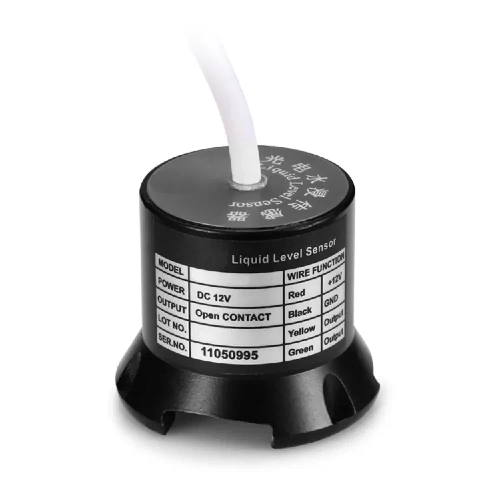
One of the biggest advantages of water leak detectors is their ability to detect leaks early. Traditional methods, such as visual inspections or waiting for signs of damage, may only identify leaks after they’ve caused considerable damage. With water leak detectors, you can detect even small leaks as soon as they start, preventing significant water damage.
Detection Time | Water Leak Detectors | Traditional Methods |
Early Detection | Detects leaks immediately, even before visible damage. | Leaks are detected only after damage has occurred. |
Response Time | Real-time alerts allow for fast intervention. | Delayed response; typically reactive rather than proactive. |
Water leak detectors are user-friendly and easy to install. Battery-powered models can be installed by the property owner without professional assistance. On the other hand, traditional leak detection methods, such as manual inspections, are time-consuming and require periodic effort. Professional leak detection services are even more complex and expensive, requiring trained technicians to perform the task.
While water leak detectors have an initial purchase cost, they are generally affordable, and many models are priced between $20 and $200. Smart models, which send notifications to your phone, cost more but offer added convenience. When compared to traditional methods, the long-term cost of water leak detectors is minimal, especially considering the potential savings on water damage repairs.
Manual Inspections: Free but inefficient and time-consuming.
Professional Leak Detection: $100 to $500 per service, with no guarantee of continuous monitoring.
A major advantage of smart water leak detectors is the ability to send real-time alerts to your smartphone or home automation system. This feature allows for immediate action to be taken, even if the property owner is not present. Traditional methods, on the other hand, require human observation and action, making them less efficient.
Feature | Water Leak Detectors | Traditional Methods |
Real-Time Monitoring | Yes, alerts sent via mobile app or system. | No, typically requires physical presence. |
Remote Notifications | Yes, for smart models. | No, relies on human inspection. |
Water leak detectors provide continuous, reliable monitoring, ensuring that you are alerted to leaks as soon as they occur. Traditional methods rely on periodic checks or visible damage, which can miss slow or hidden leaks. Water leak detectors are especially beneficial in hard-to-reach or unseen areas, like behind walls or under floors, where traditional methods may fail to detect leaks.
Water Leak Detectors: Continuous and reliable monitoring.
Traditional Methods: Periodic checks, often reactive rather than proactive.
When comparing the costs of water leak detectors and traditional leak detection methods, it’s clear that water leak detectors are the more cost-effective solution in the long run.
Initial Costs: Water leak detectors typically range from $20 to $200 depending on the model and features. In comparison, professional leak detection services can cost between $100 and $500 per service call.
Long-Term Savings: Water leak detectors help prevent major water damage, which can cost thousands of dollars in repairs. Traditional methods, such as manual inspections or waiting for visible signs of water damage, can result in delayed detection, leading to expensive repairs.
Cost | Water Leak Detectors | Traditional Methods |
Initial Cost | $20 to $200 for basic to smart models. | Free for manual inspections; $100-$500 for professional services. |
Long-Term Savings | Saves money by preventing water damage. | Risk of expensive repairs due to delayed detection. |
Both water leak detectors and traditional methods have their applications, but the best solution depends on the environment.
Residential Use: Water leak detectors are ideal for residential properties due to their ease of installation, affordability, and ability to continuously monitor for leaks. Point detectors are perfect for smaller areas, while cable sensors are suitable for larger spaces like basements.
Commercial Use: Water leak detectors are also valuable in commercial properties, especially in areas with sensitive equipment, such as data centers, server rooms, and warehouses. They provide constant monitoring and early alerts, ensuring minimal downtime and protecting valuable assets.
In the comparison between water leak detectors and traditional methods, water leak detectors clearly emerge as the superior solution for most properties. These devices offer early detection, real-time alerts, easy installation, and long-term cost savings. Traditional methods, while useful, are often reactive, labor-intensive, and fail to detect leaks in their early stages, leading to costly repairs.
For both residential and commercial properties, water leak detectors provide a more reliable, efficient, and cost-effective solution. With continuous monitoring, these devices can prevent extensive damage from leaks, protecting your property and valuables.
At Guangzhou Speed Technology, we specialize in offering advanced water leak detection solutions tailored to your needs. Whether you need a simple point detector or a smart system for real-time alerts, we provide reliable and efficient products to safeguard your property.
Investing in a water leak detector is a proactive measure that helps you avoid the devastating consequences of water damage. Reach out to us today to learn more about our innovative solutions and how we can help protect your home or business from potential water leaks.
How do water leak detectors work?
Water leak detectors use sensors to detect moisture or water in specific areas. When water is detected, the device triggers an alarm or sends a notification to alert the property owner.
Are water leak detectors expensive?
Water leak detectors are generally affordable. Basic models cost around $20, while more advanced smart models range from $100 to $200. The investment is minimal compared to the potential cost of water damage repairs.
Where should I place a water leak detector in my home or business?
Water leak detectors should be placed in high-risk areas like under sinks, near appliances, in basements, and near water pipes.
Can I install a water leak detector myself?
Yes, many water leak detectors, especially wireless models, are easy to install. Wired models may require professional help.
What should I do if my water leak detector is beeping for no reason?
Check for dust or debris around the sensor, ensure there is no moisture present, and replace the batteries if necessary.
Are smart water leak detectors better than traditional ones?
Yes, smart water leak detectors offer remote monitoring, real-time alerts, and integration with home automation systems, making them more convenient and efficient than traditional models.


