
Views: 0 Author: Site Editor Publish Time: 2025-11-15 Origin: Site


Are you aware of how crucial environmental monitoring is in today's industries? From data centers to manufacturing, accurate tracking is essential. EMS sensors play a key role in ensuring environmental stability.
In this post, we'll explore the top 5 types of EMS sensors and their real-world applications. You'll learn how these sensors help maintain optimal conditions across various sectors.
Temperature and humidity sensors provide real-time measurements of these crucial environmental parameters. They ensure that spaces maintain optimal conditions, preventing issues caused by fluctuating temperatures or moisture levels.
These sensors are designed to monitor both temperature and humidity simultaneously, offering dual-parameter tracking. With high accuracy, they help reduce errors and improve operational efficiency. Many models also support flexible integration with existing systems, making them suitable for a variety of environments.
Feature | Benefit |
Dual-parameter Monitoring | Tracks both temperature and humidity simultaneously |
High Accuracy | Ensures precise environmental control |
Flexible Integration | Easily integrates into existing EMS systems |
Several leading companies offer advanced temperature and humidity sensors. For example, Acrel’s TH100 sensor provides ±0.2℃ temperature accuracy, ideal for environments where precision is critical. Huawei’s IoT-enabled sensor, on the other hand, supports 5G data transmission, making it an excellent choice for remote industrial sites.
These sensors are widely used across various industries. Here are a few examples:
● Server Rooms and Data Centers: Prevent equipment overheating by maintaining stable conditions.
● Warehouses for Temperature-Sensitive Goods: Protect items like food and pharmaceuticals by controlling the environment.
● Commercial Offices: Optimize HVAC efficiency and improve indoor air quality, creating comfortable workspaces.
Temperature and humidity sensors are indispensable for maintaining ideal conditions across a range of industries, from keeping sensitive equipment safe to ensuring employee comfort in office spaces.
Water leak detection sensors and cables are designed to detect moisture and water leaks early, preventing serious damage to property and equipment. These sensors provide an early warning to minimize damage and keep environments safe.
Water leak sensors offer instant alerts, which can be triggered as soon as moisture is detected. Their versatile installation options make them suitable for a range of environments, from basements to industrial facilities. They can easily integrate with existing alarm systems, ensuring a quick response to any leaks.
Feature | Benefit |
Instant Alerts | Receive immediate notification upon detecting water leaks |
Versatile Installation | Flexible deployment options for large or small areas |
Easy Integration | Seamlessly integrates with existing alarm systems for quick action |
Leading products in the water leak detection space include Unitech's wireless sensors, which offer battery-powered deployment, making them perfect for remote areas. Ziguang Zhanrui's low-power variant ensures long-term reliability, even in off-grid locations, allowing for continuous monitoring with minimal power consumption.
Water leak detection sensors are used in various industries and applications:
● Data Centers: Protect electrical equipment from water damage by detecting leaks early.
● Basements and Utility Rooms: Prevent mold growth and structural damage caused by unnoticed water leaks.
● Industrial Facilities: Monitor pipelines, storage tanks, and fluid handling areas to avoid potential hazards.
Tip: These sensors are vital in any environment where water damage can lead to costly repairs or safety risks. With the ability to detect leaks early and alert teams quickly, they provide a crucial layer of protection.
Smoke detectors are designed to identify smoke particles, helping to prevent fire risks. Early detection is crucial in minimizing potential damage and ensuring a rapid response during fire emergencies. These detectors help reduce the impact of fire incidents by providing an early warning to occupants and emergency responders.
Smoke detectors come with high sensitivity, ensuring they can detect even the smallest traces of smoke. Many models offer network integration, allowing for centralized monitoring and faster response times. Their reliable performance is vital for maintaining safety in various environments, especially where fire hazards are more prevalent.
Feature | Benefit |
High Sensitivity | Detects even minor traces of smoke, ensuring early detection |
Network Integration | Enables centralized monitoring for quicker response |
Reliable Performance | Consistent and accurate detection for safety assurance |
Top competitors in the smoke detector market include SMIC’s Cleanroom Smoke Detector, which meets ISO standards for high-tech environments, ensuring precise detection even in controlled settings. BYD’s explosion-proof model, designed for hazardous industrial settings, offers extra safety in environments with high risk of sparks or explosive conditions. Both of these products provide robust safety features for specialized environments.
These detectors are critical in a variety of spaces, ensuring that fire risks are minimized:
● Industrial Workshops: Help companies comply with fire safety regulations and reduce risks in high-heat environments. Early detection can prevent large-scale damage and ensure worker safety.
● Server Rooms: Protect sensitive IT infrastructure by detecting smoke early, preventing catastrophic damage that could lead to data loss or expensive repairs.
● Public Spaces: Ensure the safety of occupants in commercial buildings, schools, hospitals, and other public areas. Smoke detectors provide peace of mind by alerting individuals to potential fire hazards before they escalate.
With the ability to quickly detect smoke and send alerts, smoke detectors play a vital role in maintaining safety across various industries, helping to protect both people and valuable assets.
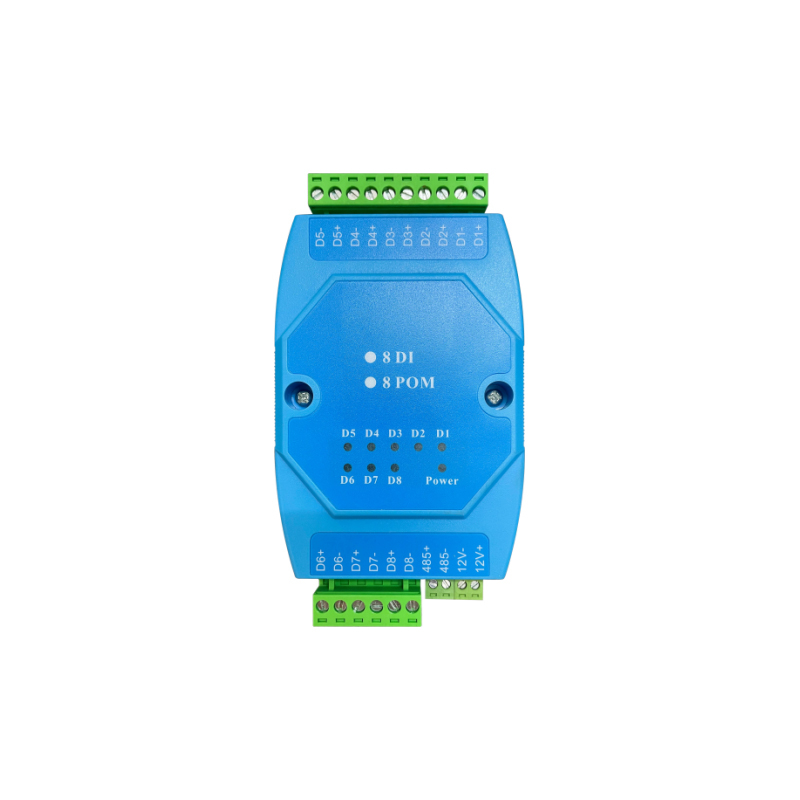
Battery sensors and monitoring hosts are designed to track battery health and performance. They provide real-time updates on battery status, ensuring that systems remain powered and uninterrupted. These devices are essential for applications where reliable battery operation is critical, such as in telecom stations or backup power systems.
Battery sensors are equipped to offer continuous monitoring, giving users timely insights into the health of their batteries. They support multiple sensors, allowing for comprehensive monitoring of different battery units in a system. These sensors are compact in design, making them easy to integrate into various environments without taking up significant space.
Feature | Benefit |
Real-time Updates | Keeps you informed about battery health at all times |
Multi-sensor Support | Allows monitoring of multiple battery units simultaneously |
Compact Design | Easy to integrate without taking up excessive space |
Acrel’s energy management system integrates seamlessly with their battery sensors, offering centralized control and data analytics for optimized performance. On the other hand, Huawei’s AI-powered battery sensor uses artificial intelligence to predict battery lifespan and enhance proactive maintenance. Both companies provide advanced solutions for ensuring the longevity and reliability of battery systems.
Battery sensors and monitoring hosts have a wide range of applications across various industries:
● Telecom Base Stations: These systems ensure that telecom infrastructure remains operational even during power outages. By monitoring battery performance, telecom companies can avoid unexpected downtime and ensure uninterrupted communication.
● UPS Systems: Uninterruptible Power Supply (UPS) systems in data centers rely on battery backup to prevent power disruptions. Monitoring battery health in these systems helps prevent outages and maintain critical operations, ensuring that servers and equipment remain online.
● Portable EMS Devices: Battery sensors also play a vital role in portable Environmental Monitoring Systems (EMS). These devices rely on reliable battery power to function, and sensors ensure that battery performance remains optimal for mobile, on-the-go monitoring.
In industries where uptime is essential, such as telecommunications, data management, and portable monitoring, having the right battery sensor technology in place is crucial. These sensors ensure that batteries are functioning correctly and are replaced or serviced before they fail, preventing costly downtime and potential damage.
DC voltage transmitters are essential for measuring and monitoring DC voltage levels, which is crucial for ensuring power supply stability in various systems. These sensors help track voltage fluctuations and maintain smooth operations by providing real-time data.
DC voltage transmitters are known for their high precision and reliable performance. Their robust design ensures they can withstand harsh industrial environments, making them perfect for demanding applications. These transmitters offer industrial-grade durability, ensuring long-term reliability in critical systems.
Feature | Benefit |
High Precision | Provides accurate voltage readings for critical systems |
Robust Design | Built to last in tough industrial environments |
Industrial-Grade Durability | Ensures reliability over long periods and harsh conditions |
Some top competitors in the DC voltage transmitter market include SMIC’s High-Precision Voltage Transmitter, which meets the stringent needs of the semiconductor industry for ultra-accurate voltage measurement. Ziguang Zhanrui also offers a low-power version that is ideal for remote power systems, ensuring consistent performance even with limited energy supply.
DC voltage transmitters are used in a variety of applications where power stability is critical:
● Industrial Control Systems: They monitor power to machinery, ensuring smooth operation and preventing unexpected shutdowns.
● Electronic Manufacturing: These transmitters help ensure consistent voltage levels, which is crucial for maintaining quality production lines.
● Renewable Energy Systems: They track DC voltage from solar panels or wind turbines, ensuring proper energy generation and efficient system performance.
DC voltage transmitters play a vital role in a range of industries, from industrial control to renewable energy systems, by providing reliable and accurate power monitoring.
When choosing an EMS sensor, it's essential to align the sensor type with your monitoring goals. If you need comprehensive tracking, dual-parameter sensors (such as temperature and humidity sensors) are ideal. These sensors offer broader monitoring capabilities, ensuring you capture multiple environmental factors at once. On the other hand, if you're dealing with specific risks, such as water leaks or smoke detection, specialized sensors may be a better fit. These sensors focus on a single parameter but offer greater accuracy in detecting the targeted risk.
Sensor Type | Best For |
Dual-Parameter Sensors | Comprehensive monitoring of multiple environmental factors |
Specialized Sensors | Targeted risk monitoring, like water leaks or smoke detection |
Compatibility is crucial when selecting EMS sensors. You need sensors that can easily integrate into your existing monitoring systems. Look for sensors that support widely-used communication protocols such as MODBUS or RJ45, as these will allow seamless data flow across systems. Choosing sensors that offer flexible integration options ensures you can consolidate data from various sensors into one centralized platform, making it easier to monitor and analyze your environment.
Integration Feature | Benefit |
MODBUS Support | Enables connection to centralized monitoring systems |
RJ45 Connectivity | Easy integration into existing network infrastructures |
Multi-Protocol Support | Compatible with a wide range of systems for flexible setups |
Environmental conditions should influence your sensor choice. For instance, industrial environments may require more robust, industrial-grade sensors. These sensors are built to endure tough conditions like extreme temperatures, dust, or moisture. Ensure you select sensors that are durable enough for the specific environment in which they'll be deployed. Sensors designed for harsh environments will offer longer lifespans and more reliable performance in the long term.
Environmental Condition | Recommended Sensor Type |
Extreme Temperatures | Industrial-grade temperature sensors |
High Humidity | Moisture-resistant sensors for stable performance |
Dust or Chemicals | Robust, sealed sensors designed for industrial use |
By considering monitoring goals, integration capabilities, and environmental factors, you can choose the right EMS sensor for your needs. Selecting the appropriate sensor ensures efficient, reliable, and accurate environmental monitoring across various industries.
EMS sensors play a crucial role in maintaining optimal environmental conditions across industries, from data centers to manufacturing. Choosing the right solution depends on understanding your specific needs and environment. With advancements in sensor technology, solutions will continue to improve, making monitoring systems more efficient and reliable. OURSPPED offers products that integrate seamlessly into various systems, providing valuable features like real-time updates and robust designs to meet the needs of diverse industries.
A: Environmental monitoring refers to the process of tracking and assessing environmental factors such as temperature, humidity, air quality, and water leaks. It helps maintain safe and efficient conditions in various industries.
A: EMS sensors are designed to measure and monitor critical environmental parameters in real-time. They provide valuable data for ensuring optimal conditions, from preventing equipment damage to improving safety.
A: Selecting the right EMS sensor ensures accurate data collection and seamless integration into existing systems, enhancing overall efficiency and reliability in monitoring environmental conditions.
A: Temperature and humidity sensors are ideal for data centers, as they prevent equipment overheating by ensuring stable environmental conditions.


