
Views: 0 Author: Site Editor Publish Time: 2024-12-17 Origin: Site


Ambient air sampling helps monitor air quality in various environments. It is essential in urban areas, industrial zones, and remote locations. Understanding pollutants like PM, VOCs, and NOx is critical for health and safety.
In this article, we will explore different air sampling methods. You will learn how to ensure accurate data for compliance and decision-making.
At OURSPEED, we offer reliable solutions for air quality monitoring. Learn more about our products to improve your air sampling process.
Ambient air sampling refers to the process of collecting outdoor air samples to measure pollution levels and identify sources of contamination. Unlike indoor air sampling, which focuses on enclosed spaces, ambient air sampling is performed outdoors and is essential for monitoring air quality in different environments such as urban, industrial, and rural settings. By capturing air samples in real-time, this process helps assess the presence and concentration of various pollutants that may affect health, the environment, and compliance with regulations.
1. Health and Environmental Impact: Airborne pollutants such as particulate matter, VOCs, and gases have significant impacts on human health, contributing to respiratory and cardiovascular diseases. Exposure to these pollutants can lead to long-term health issues, particularly in vulnerable populations.
2. Regulatory Compliance: Ambient air sampling ensures that air quality adheres to regulatory standards, such as the U.S. EPA's National Ambient Air Quality Standards (NAAQS), which are designed to protect public health and the environment. Regular sampling helps track air quality to ensure compliance with national and international regulations.
3. Data-Driven Decision Making: The data collected helps governments and organizations make informed decisions on pollution control, urban planning, and public health policies. By accurately measuring pollutants, cities and industries can identify problem areas and take corrective action.
● Particulate Matter: PM1, PM2.5, and PM10 are the primary size fractions monitored for particulate pollution. These fine particles, if inhaled, can cause significant health issues such as lung disease and cardiovascular problems.
● Volatile Organic Compounds (VOCs): These include harmful gases emitted from solvents, fuel, and industrial processes. VOCs contribute to the formation of ground-level ozone and smog, which can irritate the respiratory system and exacerbate pre-existing conditions.
● Nitrogen Oxides (NOx): NOx pollutants are primarily produced by vehicle emissions and industrial processes. They play a role in the formation of ground-level ozone and particulate matter, both of which are harmful to human health.
● Ozone (O₃) and Sulfur Dioxide (SO₂): Both are important indicators of air pollution from industrial and vehicular emissions. High concentrations of ozone can lead to respiratory problems, while sulfur dioxide can cause airway irritation and contribute to acid rain.
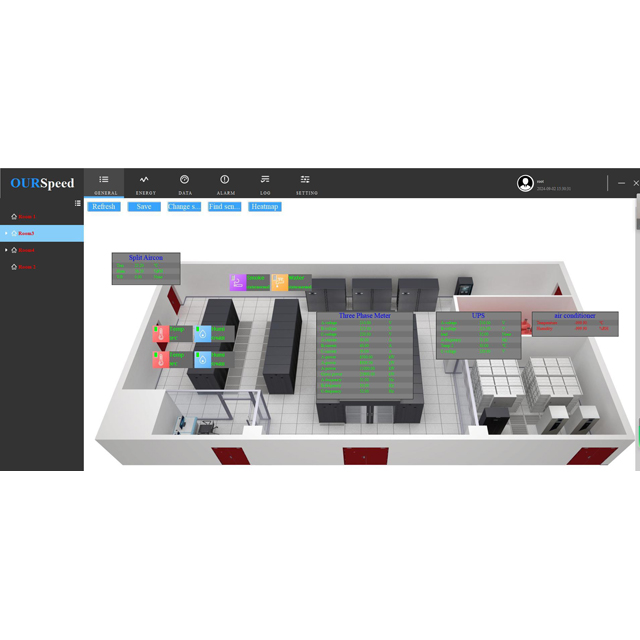
There are two primary types of air sampling methods: active and passive. These methods are selected based on the pollutants being monitored, the monitoring duration, and the sampling environment. Each method has its specific advantages and is used for different purposes depending on the air quality goals.
Active sampling involves using mechanical devices or pumps to collect air through filters, sorbent tubes, or other collection mediums. This method provides precise data, making it ideal for short-term monitoring, especially when high accuracy is required.
This method uses filters to capture airborne particles. The difference in the filter’s weight before and after sampling is used to calculate the concentration of particulate matter in the air.
Applications:
● Monitoring fine particulate matter such as PM2.5 and PM10, which are key indicators of air pollution.
● Ensuring regulatory compliance for particulate matter emissions, particularly in industrial settings or areas with high traffic.
Gravimetric sampling is one of the most accurate methods for determining the mass concentration of particulate matter.
High-volume samplers are designed to draw in large volumes of air, enabling a detailed analysis of pollutants like Total Suspended Particulates (TSP). These devices are essential for large-scale studies, particularly in urban areas or industrial zones with high pollution levels.
Applications:
● Long-term monitoring of air quality in areas with high pollution levels, such as industrial zones and major cities.
● Environmental research aimed at studying the impact of particulate pollution on human health and ecosystems.
High-volume samplers are particularly useful for collecting representative samples over extended periods, making them crucial for comprehensive air quality assessments.
Continuous monitoring systems measure pollutants in real time, providing immediate data on air quality. Although these systems may not be as precise as gravimetric methods, they are valuable for detecting rapid changes in pollution levels and identifying pollution spikes.
Applications:
● Real-time monitoring of urban air quality to track pollution trends and identify peak periods.
● Early detection of pollution spikes in emergency situations, such as hazardous gas releases or industrial accidents.
Continuous monitoring systems help stakeholders stay informed about air quality at all times and take timely action when needed.
Sampling Method | Main Application | Advantages | Limitations |
Gravimetric Sampling | Fine particulate matter (PM2.5, PM10) | Accurate, regulatory standard | Requires lab analysis, time-consuming |
High-Volume Samplers | Total Suspended Particulates (TSP) | Covers large volumes, detailed data | High cost, power-intensive |
Continuous Monitoring | Real-time air quality monitoring | Immediate data, easy integration | Less precise than other methods |
Passive sampling methods rely on the natural movement of air to collect pollutants. These methods are generally less expensive and are ideal for long-term monitoring, especially in areas with limited access to power sources. Passive samplers are also more portable, making them easier to deploy in remote locations.
Diffusion tubes are used to measure pollutants like nitrogen dioxide (NO₂) and ozone (O₃), which diffuse into a chemical coating inside the tube. Over time, the pollutants interact with the coating, and the concentration is determined by the extent of the diffusion.
Applications:
● Long-term monitoring of gaseous pollutants in urban areas, industrial sites, and residential areas.
● Ideal for areas where continuous monitoring is impractical or expensive, such as rural or low-traffic zones.
Diffusion tubes are widely used due to their low cost and ease of installation.
The settling plate method uses gravity to capture larger particles from the air onto a flat collection plate. It is an effective technique for monitoring larger airborne particles such as dust and pollen.
Applications:
● Monitoring particulate matter in both indoor and outdoor environments, including areas affected by construction or mining activities.
● Tracking dust and particulate emissions near industrial sites or transportation hubs.
This method is especially useful for assessing large particles that settle out of the air relatively quickly.
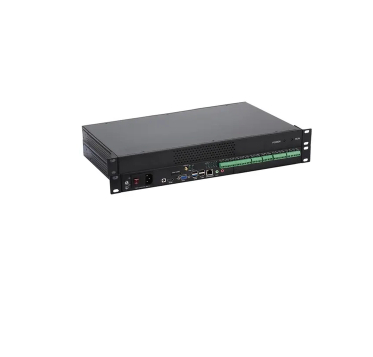
Badge samplers are small, portable devices that collect pollutants passively. They are worn by individuals and are particularly useful for monitoring personal exposure to pollutants in occupational settings.
Applications:
● Occupational health and safety monitoring, especially for workers exposed to chemicals or particulates in industrial settings.
● Personal air quality monitoring for individuals concerned about their exposure to harmful substances.
Badge samplers provide a simple and effective way to track individual exposure over time.
Sampling Method | Pollutants Measured | Applications | Benefits |
Diffusion Tubes | NO₂, O₃ | Long-term monitoring in urban areas | Cost-effective, easy setup |
Settling Plate Method | Particulate matter | Indoor/outdoor monitoring | Simple, low-cost method |
Badge Samplers | VOCs, PM | Occupational safety, personal monitoring | Wearable, portable, easy use |
Accurate and reliable data from ambient air sampling is critical for addressing air pollution and safeguarding public health. The quality of the air sampling process directly impacts the effectiveness of pollution control measures and regulatory enforcement.
1. Health Protection: Pollutants like PM, NOx, and VOCs are directly linked to respiratory diseases, heart conditions, and even premature death. Monitoring these pollutants helps in implementing measures to protect vulnerable populations.
2. Regulatory Compliance: Proper air sampling ensures compliance with environmental regulations set by government agencies, such as the U.S. EPA or international organizations like the World Health Organization (WHO).
3. Improving Environmental Policies: The data obtained helps shape environmental policies, drive regulations, and inform urban planning decisions that reduce pollution and improve overall air quality.
Despite its importance, air sampling can be prone to errors that compromise data accuracy. These mistakes are often related to equipment handling, sampling location, and duration. Even minor mistakes can lead to misleading results, which affect the validity of air quality assessments and decision-making.
1. Incorrect Sampling Location Sampling stations placed too close to pollution sources or too far from affected areas may result in misleading data. For instance, if the sampler is positioned too near a local source of emissions, it may capture data that doesn't reflect the broader environmental conditions. Proper site selection, considering factors such as wind direction and local topography, is essential for obtaining representative samples that truly reflect the air quality of the area.
2. Inconsistent Sampling Duration Short-term sampling may not accurately reflect long-term trends in air quality. For example, a single day of sampling may miss the peak pollution periods or fail to capture seasonal variations in air quality. To obtain reliable data, sampling should be conducted over sufficient periods, such as weeks or months, to account for fluctuating pollutant levels and seasonal changes.
3. Improper Equipment Calibration Without regular calibration, sampling equipment can provide inaccurate results, undermining the reliability of the data. Calibration ensures that the equipment is functioning correctly and measuring accurately. Failing to calibrate equipment properly or neglecting regular maintenance checks can lead to significant errors in the collected data, which may compromise the effectiveness of air quality management programs.
Choosing the appropriate equipment is crucial for obtaining precise and reliable air quality data. The decision depends on various factors such as the type of pollutants, sampling duration, and environmental conditions. Selecting the right tools ensures accurate data, allowing for more effective monitoring and decision-making.
● Pollutant Type: Different pollutants require different sampling methods. For instance, particulate matter like PM2.5 requires filter-based sampling, while gases like NO₂ and O₃ are best monitored using sorbent tubes or diffusion tubes.
● Sampling Duration: Continuous monitoring systems are designed to provide real-time data on pollutant levels, which is useful for immediate response. Other methods, like high-volume samplers, are better suited for long-term sampling that spans weeks or months.
● Environmental Factors: Weather, temperature, and location can all influence the performance of air sampling equipment. For example, high humidity can affect the accuracy of certain sensors, and strong winds may disperse pollutants too quickly for accurate sampling. It is important to select equipment that can operate effectively under the specific conditions of your sampling site.
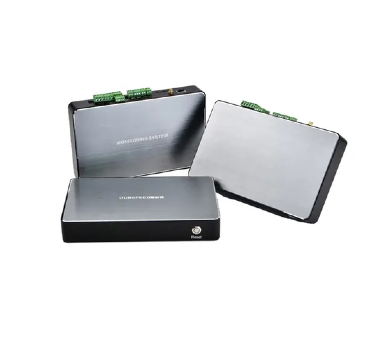
● High-Volume Samplers: Ideal for collecting large amounts of particulate matter over extended periods. They are useful in areas with high levels of particulate pollution and can support long-term environmental studies.
● Passive Diffusion Tubes: These are perfect for long-term monitoring of specific gases like NO₂ and O₃. They are easy to use, cost-effective, and suitable for areas where continuous monitoring isn't possible.
● Real-Time Air Monitors: Essential for providing instant data on pollutants like particulate concentration and VOCs. These systems help track pollution levels in real-time, offering immediate feedback on air quality trends.
To ensure high-quality air quality data, it is essential to follow best practices during the sampling process. This involves proper planning, equipment setup, and data analysis.
● Choose the appropriate sampling method based on the type of pollutants and the sampling environment.
● Determine sampling duration to ensure data represents both short-term and long-term trends.
● Proper equipment setup: Ensure that all equipment is correctly installed to collect representative air samples.
● Maintain consistent flow rates: Monitor the flow rate of air through the sampler to avoid errors during sample collection.
● Timely analysis of samples: To avoid contamination or degradation, samples should be analyzed promptly.
● Contextual interpretation of results: Consider environmental factors such as temperature, wind direction, and time of day when analyzing air quality data.
Ambient air sampling is vital for assessing air quality, protecting public health, and complying with environmental standards. Using the right methods and equipment helps industries and professionals gain insights into pollution levels. Accurate data is essential for informed decisions that safeguard health and the environment.
OURSPEED offers innovative air sampling solutions, providing reliable and precise data to enhance environmental monitoring. Their products are designed to meet diverse air quality monitoring needs, offering long-term value and performance.
A: Ambient air sampling methods are techniques used to collect outdoor air samples for monitoring pollutants like particulate matter (PM), VOCs, and NOx. These methods can be active or passive, depending on the pollutants and monitoring goals.
A: Active sampling uses mechanical devices or pumps to collect air through filters or sorbent tubes. It provides precise data and is ideal for short-term monitoring of pollutants such as PM2.5 and PM10.
A: Passive sampling relies on natural air movement to collect pollutants over time. It is cost-effective and ideal for long-term monitoring in remote areas where power is limited.


